
Places (POIs) visited during this tour
Place #1
Recommended Starting Point
Distance: 0.05mi
, Attraction : This neighborhood
7 Rue du Petit Puits, 13002 Marseille, France
The Panier district
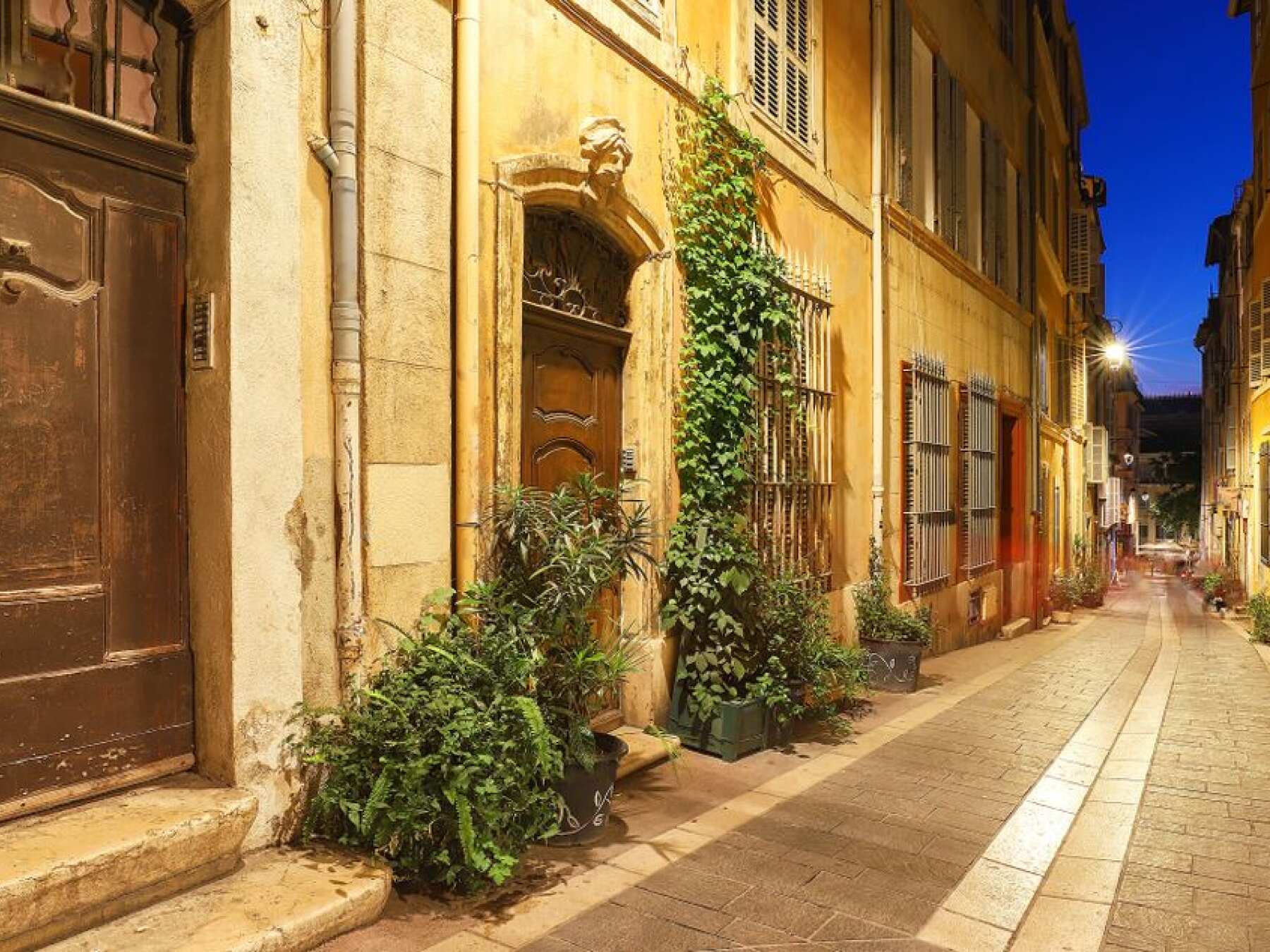
We are starting our tour here at Le Panier, a super vibrant, historic neighborhood that really captures the essence of Marseille's rich cultural mix. It's steeped in centuries of history, and the whole quarter just has this effortless charm that completely wins over locals and visitors alike.
Wandering through its narrow, winding streets honestly feels like stepping back in time. You've got these cobblestone alleys lined with colorful buildings, pretty wrought-iron balconies, and laundry hanging from the windows, which just adds to that authentic, local vibe. The architecture really reflects its diverse past, blending Mediterranean, North African, and Provençal influences.
But Le Panier's character isn't just in the buildings—it's in its artistic soul, too. The area has become a real haven for local artists, packed with galleries and studios showing off both modern and traditional art. Plus, the incredible street art adds this cool, ever-changing element, turning a simple walk into a total visual feast.
Cute cafés and bistros are scattered everywhere, serving up amazing local food. From warm, freshly baked pastries to savory seafood, Le Panier is a treat for your taste buds. The friendly, community vibe just makes you want to linger over an espresso and enjoy that classic French art of savoring life's simple pleasures.
You can literally feel the history here in landmarks like the Vieille Charité—a former almshouse that's now a cool cultural center—and the Abbaye Saint-Victor, an ancient monastery overlooking the Old Port. Every single corner tells a story, weaving together Marseille's past and present.
And despite all this timeless beauty, Le Panier is still a living, breathing neighborhood with a really tight-knit community. Local markets are always bustling, and you'll hear lively chatter and laughter spilling out into the streets. This mix of history, art, and community is what makes Le Panier the true heart of Marseille's identity—a place where the city's soul is etched into every stone and heard in every conversation.
Whenever you're ready to move on, just follow your GPS to our next stop, the Old Charity Center.
Wandering through its narrow, winding streets honestly feels like stepping back in time. You've got these cobblestone alleys lined with colorful buildings, pretty wrought-iron balconies, and laundry hanging from the windows, which just adds to that authentic, local vibe. The architecture really reflects its diverse past, blending Mediterranean, North African, and Provençal influences.
But Le Panier's character isn't just in the buildings—it's in its artistic soul, too. The area has become a real haven for local artists, packed with galleries and studios showing off both modern and traditional art. Plus, the incredible street art adds this cool, ever-changing element, turning a simple walk into a total visual feast.
Cute cafés and bistros are scattered everywhere, serving up amazing local food. From warm, freshly baked pastries to savory seafood, Le Panier is a treat for your taste buds. The friendly, community vibe just makes you want to linger over an espresso and enjoy that classic French art of savoring life's simple pleasures.
You can literally feel the history here in landmarks like the Vieille Charité—a former almshouse that's now a cool cultural center—and the Abbaye Saint-Victor, an ancient monastery overlooking the Old Port. Every single corner tells a story, weaving together Marseille's past and present.
And despite all this timeless beauty, Le Panier is still a living, breathing neighborhood with a really tight-knit community. Local markets are always bustling, and you'll hear lively chatter and laughter spilling out into the streets. This mix of history, art, and community is what makes Le Panier the true heart of Marseille's identity—a place where the city's soul is etched into every stone and heard in every conversation.
Whenever you're ready to move on, just follow your GPS to our next stop, the Old Charity Center.
Read More
Place #2
Distance: 0.09mi
, Attraction : This historic building
2 Rue de la Charité, 13002 Marseille, France
The Old Charity Center.
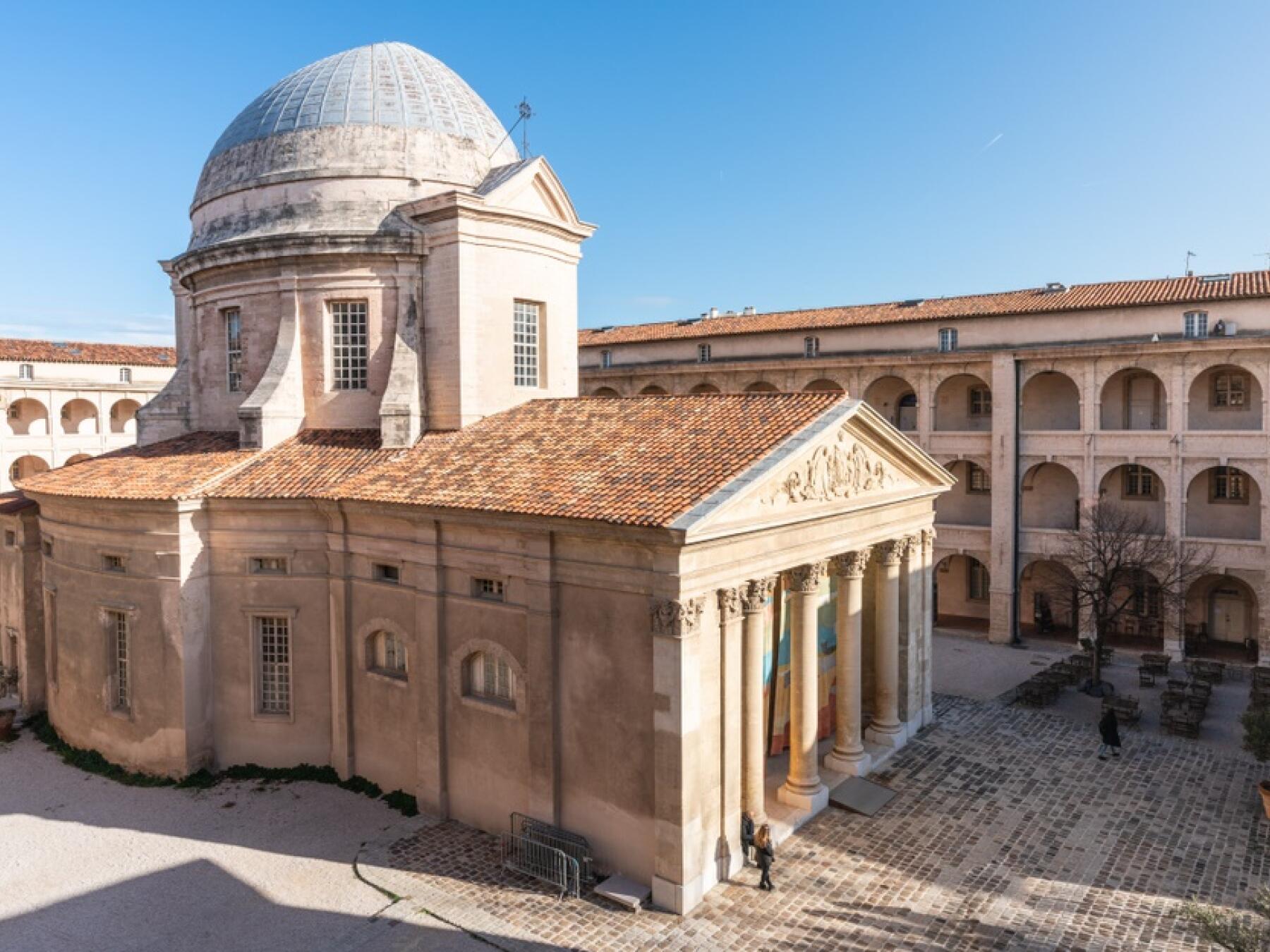
Up on your right, we’ve got the Old Charity Center. This historic building has come a long way, transforming from a humble almshouse into a vibrant museum and cultural hub. Back in the 17th century, France cracked down hard on the homeless, using ruthless guards known as "beggar-hunters" to round them up. If you weren't from Marseille, you were kicked out of town, while local beggars were locked up. The public actually felt a lot of sympathy for them, which caused plenty of tension over the brutal crackdowns.
During this time, almshouses served as workhouses, putting people to work as domestic servants, cabin boys, or apprentices to bakers and seamstresses. Over the years, the Center got pretty crowded, with the number of residents climbing from 850 in 1736 to over a thousand by 1760. But as society's views on locking up the poor began to change, that number dropped to just 250 by 1781.
After surviving the chaos of the French Revolution, the building became a shelter for the homeless in the 19th century. Later on, it was used as barracks for the French Foreign Legion until 1922, and eventually became a refuge for people displaced by city demolitions and war. Sadly, years of neglect took their toll, and it was taken over by squatters and vandals. By 1962, the building was in terrible shape, housing 146 families and about 30 nuns living in pretty awful conditions.
Thankfully, in 1968, funds were set aside to save the place. A massive, painstaking restoration project ran from 1970 to 1986, with the chapel finished in 1981, bringing this historic complex back from the brink of total ruin.
Today, it’s a real cultural and artistic beacon for Marseille—a far cry from its days as a workhouse. The beautifully restored space is now home to some incredible spots, like the Museum of Mediterranean Archaeology and the Museum of African, Oceanic, and Amerindian Arts, where you can explore exhibits from all over the world.
More than just a museum, it’s a lively cultural center hosting events, exhibitions, and performances that showcase Marseille’s creative scene. The central courtyard, which once sheltered the city's poorest, is now a beautiful spot to relax, look around, and appreciate the history and architecture.
Whenever you're ready, just follow your navigation to keep going.
During this time, almshouses served as workhouses, putting people to work as domestic servants, cabin boys, or apprentices to bakers and seamstresses. Over the years, the Center got pretty crowded, with the number of residents climbing from 850 in 1736 to over a thousand by 1760. But as society's views on locking up the poor began to change, that number dropped to just 250 by 1781.
After surviving the chaos of the French Revolution, the building became a shelter for the homeless in the 19th century. Later on, it was used as barracks for the French Foreign Legion until 1922, and eventually became a refuge for people displaced by city demolitions and war. Sadly, years of neglect took their toll, and it was taken over by squatters and vandals. By 1962, the building was in terrible shape, housing 146 families and about 30 nuns living in pretty awful conditions.
Thankfully, in 1968, funds were set aside to save the place. A massive, painstaking restoration project ran from 1970 to 1986, with the chapel finished in 1981, bringing this historic complex back from the brink of total ruin.
Today, it’s a real cultural and artistic beacon for Marseille—a far cry from its days as a workhouse. The beautifully restored space is now home to some incredible spots, like the Museum of Mediterranean Archaeology and the Museum of African, Oceanic, and Amerindian Arts, where you can explore exhibits from all over the world.
More than just a museum, it’s a lively cultural center hosting events, exhibitions, and performances that showcase Marseille’s creative scene. The central courtyard, which once sheltered the city's poorest, is now a beautiful spot to relax, look around, and appreciate the history and architecture.
Whenever you're ready, just follow your navigation to keep going.
Read More
Tour itinerary stops | Additional places you'll see on this self-guided tour
Click below for full access to this tour
Have any questions about this tour? Or a general travel / self-guided tours question? That's completely natural
+ How long does this tour take?
Most travelers complete this tour in approximately 1 to 1.5 hours, depending on pace, time spent at each stop, and optional detours. Having said that, please remember that self-guided tours are extremly flexible (you can start, pause, continue anytime) and everyone has their own pace.
+ What does this tour include?
This self-guided walking tour includes 14 stops, covering top attractions such as The Panier district, The Old Charity Center., The Marseille Cathedral!, Cosquer Méditerranée & MuCEM, Fort Saint-Jean..
+ Where does the tour start?
The tour starts at The Panier district (Address: 7 Rue du Petit Puits, 13002 Marseille, France). You can begin the tour there or join from any stop along the route.
+ What type of tour is this?
This is a self-guided walking tour designed to be completed on foot through walkable areas and city highlights.
+ Can I do this tour at my own pace?
Yes, this is a self-guided walking tour, so you can start anytime and explore at your own pace. You can pause, skip stops, or spend more time at places that interest you. You can even split it into multiple days. Explore however feels right for you.
+ Is this a walkable tour?
Yes, this tour is fully walkable and designed to follow a comfortable route through pedestrian-friendly areas.
+ Do I need anything in order to take the tour?
There is one thing that you need - A mobile phone (with the UCPlaces app installed and active location services, and a cellular data plan with a decent signal for downloading the tour) and comfortable walking shoes! But here are some recommendations for a great experience: 1. Make sure your phone is fully charged and bring a mobile charger/battery. 2. Bring earphones for the best experience. 3. Bring a bottle of water and dress appropriately according to the weather forecast.
+ How will I navigate from point to point during the tour?
The tour uses GPS-based navigation through the UCPlaces app, with automatic audio playback and step-by-step directions between stops. Just follow the route (cross streets carefully using crosswalks) and listen to the audio guide. Use the resume feature to continue the from where you recently stopped (or closed the app). Easily skip or go back to stops.
+ Is this tour suitable for families or groups?
Yes, self-guided tours are ideal for families and small groups, allowing everyone to explore comfortably without being tied to a fixed schedule.
+ What makes a self-guided tour better than a guided tour?
Self-guided tours are more flexible, affordable, and personalized. You can avoid crowds, choose your pace, and focus on the stops that interest you most.
+ I installed the app and it's now asking for GPS and media access permissions, why?
The app is your tour-guide, it needs to know where you are located on the map to be able to trigger the points of interest. It also needs access to audio and media files to provide you with this experience.
+ What happens if there are unexpected roadblocks or navigation issues?
We have been working hard to deliver a great experience. Though you may run into unexpected obstacles (the world is constantly changing), our app has multiple features and mechanisms in place to help you overcome them, including: AI assistance, force play an audio if you can't reach the stop, skip or return to stops, automatic rerouting and more.
+ Can I take the tour in my language?
Though all of our tours are primarily in English, many tours are muyltilingual (including: Spanish, German, Portuguese, French, Japanese, Hebrew, French, Arabic and more...). The tour language options depend on the specific tour - You can easily check which languages are available in the tour screen!
) to use Force Play, Skip, and Back, for full flexibility.