

Self-Guided Scenic Driving tour from Raleigh, North Carolina to Savannah, Georgia
About this English self-guided 5h:32m driving tour in Raleigh
Welcome, road-trippers, and thanks for joining me on this Ace RV Rentals tour! Today's drive is from Raleigh, North Carolina to Savannah, Georgia — a route that takes us through the heart of the Carolinas and into one of the South’s most unforgettable cities.
Along the way, we’ll pass through landscapes of pine forests, rivers, and swamps, with stops to explore the stories of towns like Florence, a railroad hub, and Walterboro, the “Front Porch of the Lowcountry.” We’ll hear about the hidden wetlands of the Black River Basin, cross the sweeping waters of Lake Marion, and learn about nearby capitals and coastal cities like Columbia and Charleston, even if we don’t leave the interstate to visit them.
Finally, we’ll cross the Savannah River into Georgia and arrive in Savannah itself — a city of shaded squares, cobblestone streets, and centuries of history. So sit back, relax, and enjoy the stories that bring this road to life.
- 1For the best experience, begin at the tour's recommended starting point and follow the stops in order.
- 2Want to start somewhere else? Simply use Start At on the tour screen, before tapping Start Tour, to begin from any stop.
- 3Need to detour or skip a stop along the way? Tap Tour Assistant (
![UCPlaces AI Bot Icon]() ) to use Force Play, Skip, and Back, for full flexibility.
) to use Force Play, Skip, and Back, for full flexibility.
 ) to use Force Play, Skip, and Back, for full flexibility.
Route Preview
- Category
- Language
- Mode
- Region
- Country
- City

Places (POIs) visited during this tour

2809 Benevolence Dr, Raleigh, NC 27610, USA
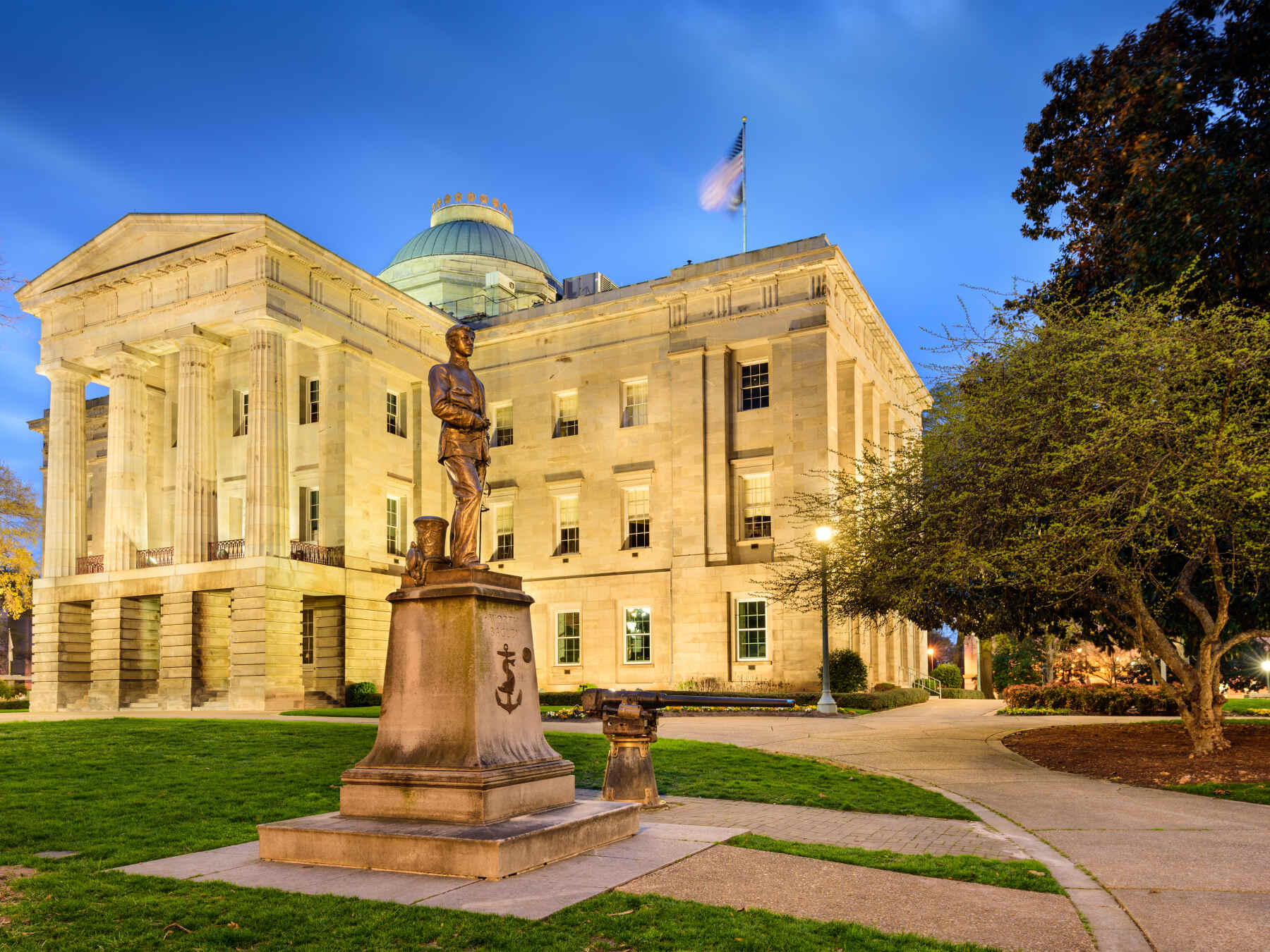
Raleigh, our starting point, has always been a city that looks both backward and forward. Founded in 1792, it was deliberately chosen as North Carolina’s capital because of its central location. Unlike many older Southern cities, Raleigh wasn’t built on a river or a port. Instead, it was planned — laid out on a grid, with government buildings at its heart. Today, it’s one of the fastest-growing cities in the country, with a mix of government, research, and culture.
Leaving the city behind, the road carries us into a different rhythm. The busy streets and high-rises give way to wide stretches of countryside — pine forests, fields, and small towns that still hold the flavor of rural North Carolina. This is the beginning of a longer journey, one that blends big events with quiet details, famous names with ordinary lives.
As we settle into the drive, remember that road trips are as much about the journey as the destination. Every few miles, there’s something to notice, some thread that ties us to the history and landscape of the South. So sit back, take in the view, and let’s see what stories unfold between here and Savannah.
Read More
Add title here
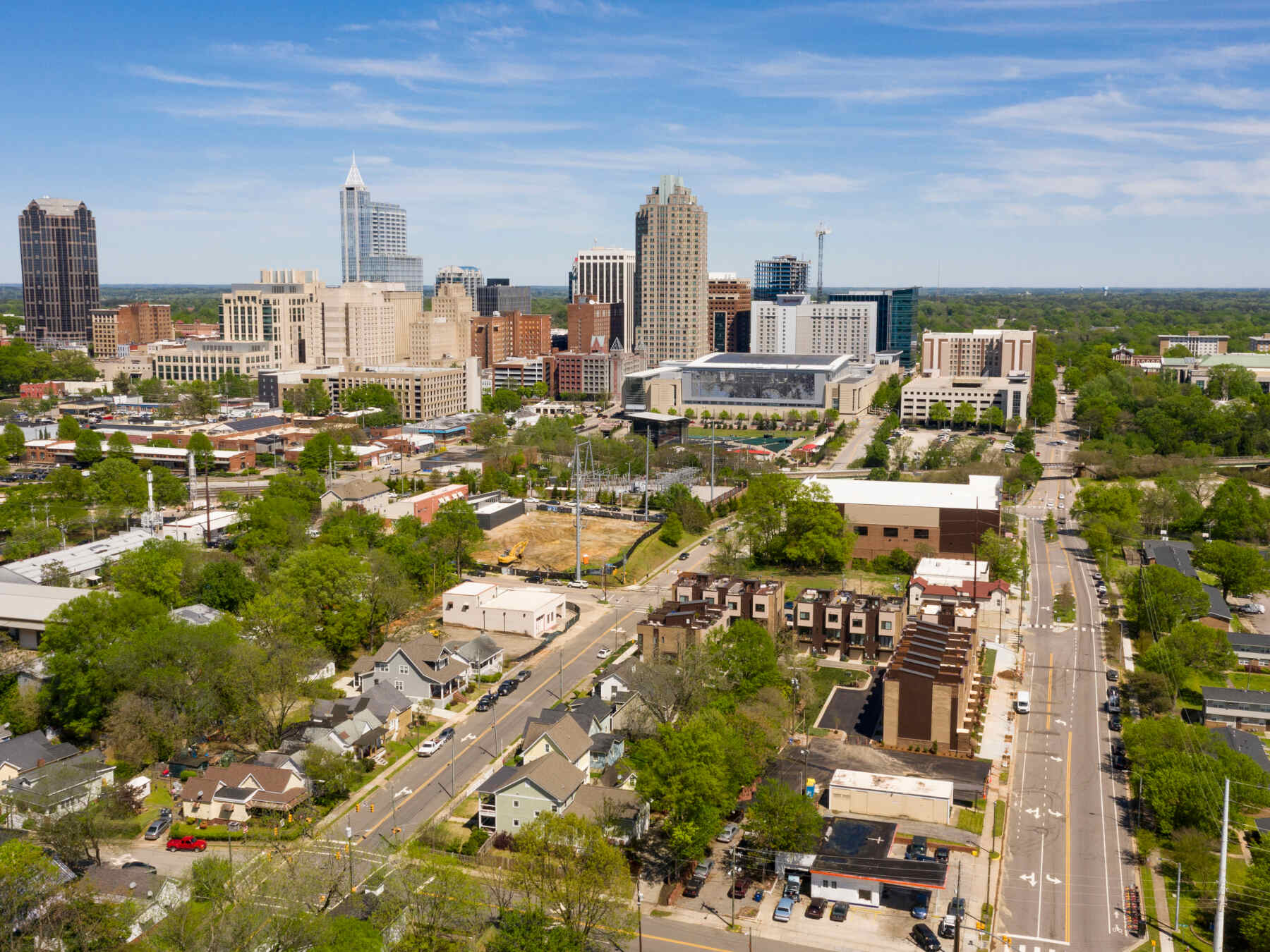
Raleigh has always been a place of growth and transition. In its early years, it was a modest capital, with lawmakers, merchants, and farmers passing through when the legislature was in session. By the late 19th century, the city was growing steadily, boosted by railroads and manufacturing. Tobacco warehouses and textile mills dotted the landscape, giving Raleigh an industrial edge.
In the 20th century, the city began to change again, this time looking toward education, research, and technology. Anchored by institutions like NC State University and later the development of Research Triangle Park, Raleigh became one of the fastest-growing cities in the nation. Today, it’s often ranked among the best places to live in the U.S., thanks to its mix of history, green space, and innovation.
But for all of its growth, Raleigh remains connected to its roots. Neighborhoods like Oakwood, with their Victorian homes, show the city’s 19th-century side, while local barbecue joints and music clubs keep alive traditions that go back generations.
As we leave Raleigh behind, we’re not just exiting a city. We’re leaving a place that has always stood at the crossroads of North Carolina’s story — a planned capital that grew into a thriving modern hub, shaded all the while by the oaks that gave it its name.
Read More
Place 1
Raleigh, North Carolina
Place 2
City of Oaks
Place 3
Research Triangle Park
Place 4
Interstate 40 Countryside
Place 5
Smithfield, North Carolina
Place 6
Interstate 95
Place 7
Benson and Johnston County
Place 8
Averasboro Battlefield and Museum
Place 9
Fort Bragg
Place 10
Airborne & Special Operations Museum
Place 11
Fayetteville, North Carolina
Place 12
Cape Fear River
Place 13
St. Pauls and North Carolina Sandhills
Place 14
Lumber River and Robeson County
Place 15
The Lumbee Tribe
Place 16
Tobacco and Timber
Place 17
South of the Border
Place 18
Welcome to South Carolina
Place 19
Charlotte, North Carolina
Place 20
The Pee Dee Region
Place 21
Florence, South Carolina Part 1
Place 22
Florence, South Carolina Part 2
Place 23
Black River Basin
Place 24
Longleaf Pine Heritage Preserve
Place 25
Columbia, South Carolina
Place 26
Lake Marion
Place 27
Crossing Lake Marion
Place 28
Charleston, South Carolina
Place 29
South Carolina Fun Facts
Place 30
Walterboro
Place 31
South Carolina History
Place 32
South Carolina Culture
Place 33
Hilton Head Island
Place 34
Savannah River
Place 35
Savannah, Georgia
Place 36
Historic Downtown Savannah
Place 37
Explore Downtown Savannah