

Glacier National Park Self-Guided (GPS) Audio Driving Tour, Montana - Scenic Rocky Mountains Going-to-the-Sun Road Trip
About this English self-guided 1h:35m driving tour in Glacier National Park
Welcome to Glacier National Park, a breathtaking expanse of pristine wilderness nestled in the Rocky Mountains of Montana. Known as the "Crown of the Continent," this national treasure spans over one million acres, offering visitors an unparalleled opportunity to explore towering peaks, crystal-clear lakes, dense forests, and over two dozen active glaciers.
Designated as a UNESCO World Heritage Site, Glacier National Park is celebrated for its diverse ecosystems and vibrant wildlife. Home to grizzly bears, mountain goats, moose, and hundreds of bird species, it’s a haven for nature enthusiasts and photographers. The park is also steeped in history, with evidence of Native American heritage and remnants of the Great Northern Railway's legacy.
A visit to Glacier promises awe-inspiring sights, including the iconic Going-to-the-Sun Road, a 50-mile engineering marvel that winds through the heart of the park. And lucky for us, our route for the day! Along the way, you can experience dramatic alpine scenery, cascading waterfalls, and lush meadows dotted with wildflowers.
Whether you're seeking thrilling hikes, serene lakeside picnics, or simply the chance to reconnect with nature, Glacier National Park offers something for everyone. It’s a place where adventure and tranquility coexist, making it a must-visit destination for explorers of all kinds.
- 1For the best experience, begin at the tour's recommended starting point and follow the stops in order.
- 2Want to start somewhere else? Simply use Start At on the tour screen, before tapping Start Tour, to begin from any stop.
- 3Need to detour or skip a stop along the way? Tap Tour Assistant (
![UCPlaces AI Bot Icon]() ) to use Force Play, Skip, and Back, for full flexibility.
) to use Force Play, Skip, and Back, for full flexibility.
 ) to use Force Play, Skip, and Back, for full flexibility.
Route Preview
- Category
- Language
- Mode
- Region
- Country
- City

Places (POIs) visited during this tour

12555 US-2, West Glacier, MT 59936, USA
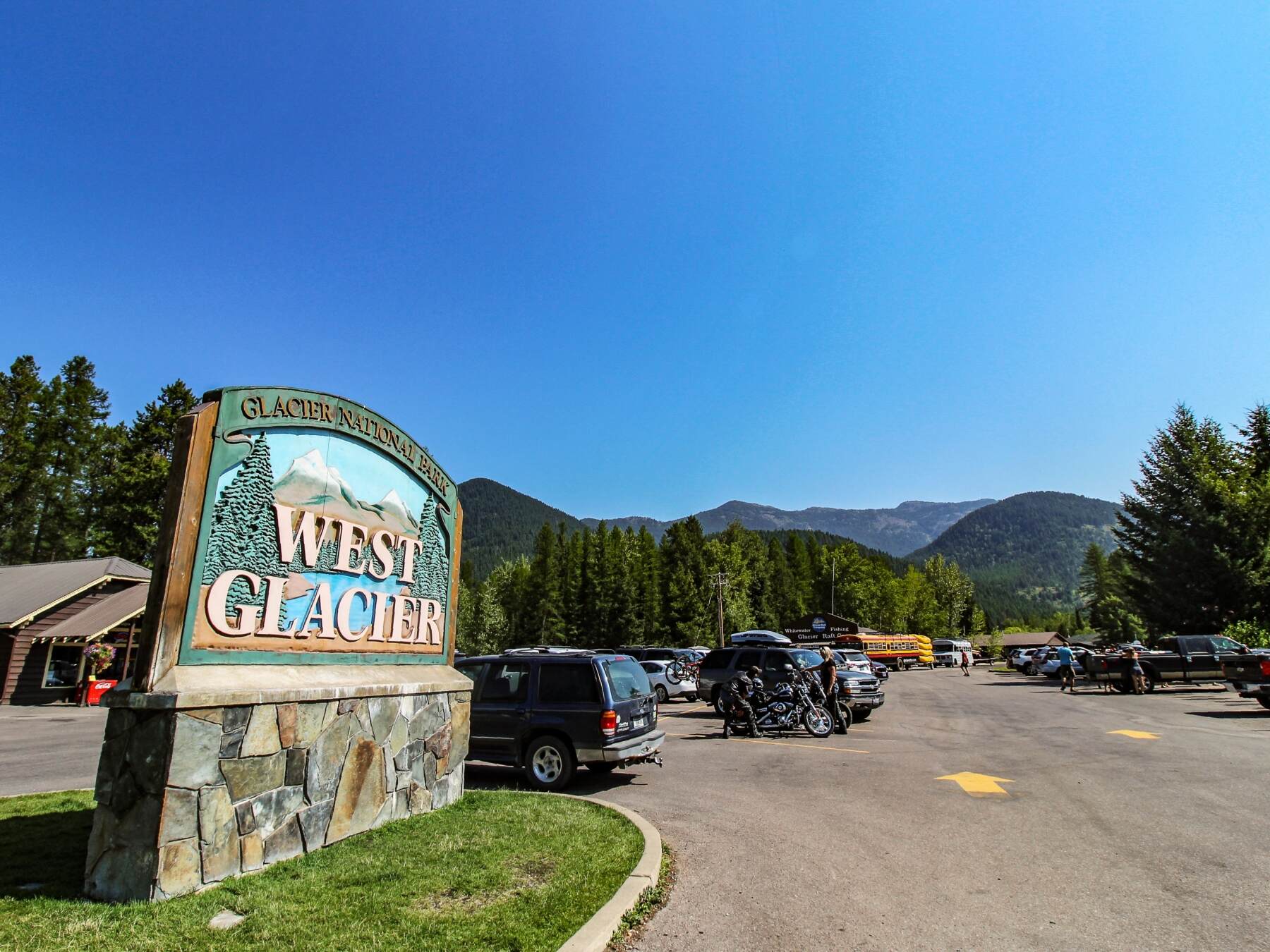
230-110 Glacier Rte 1 Rd, West Glacier, MT 59936, USA
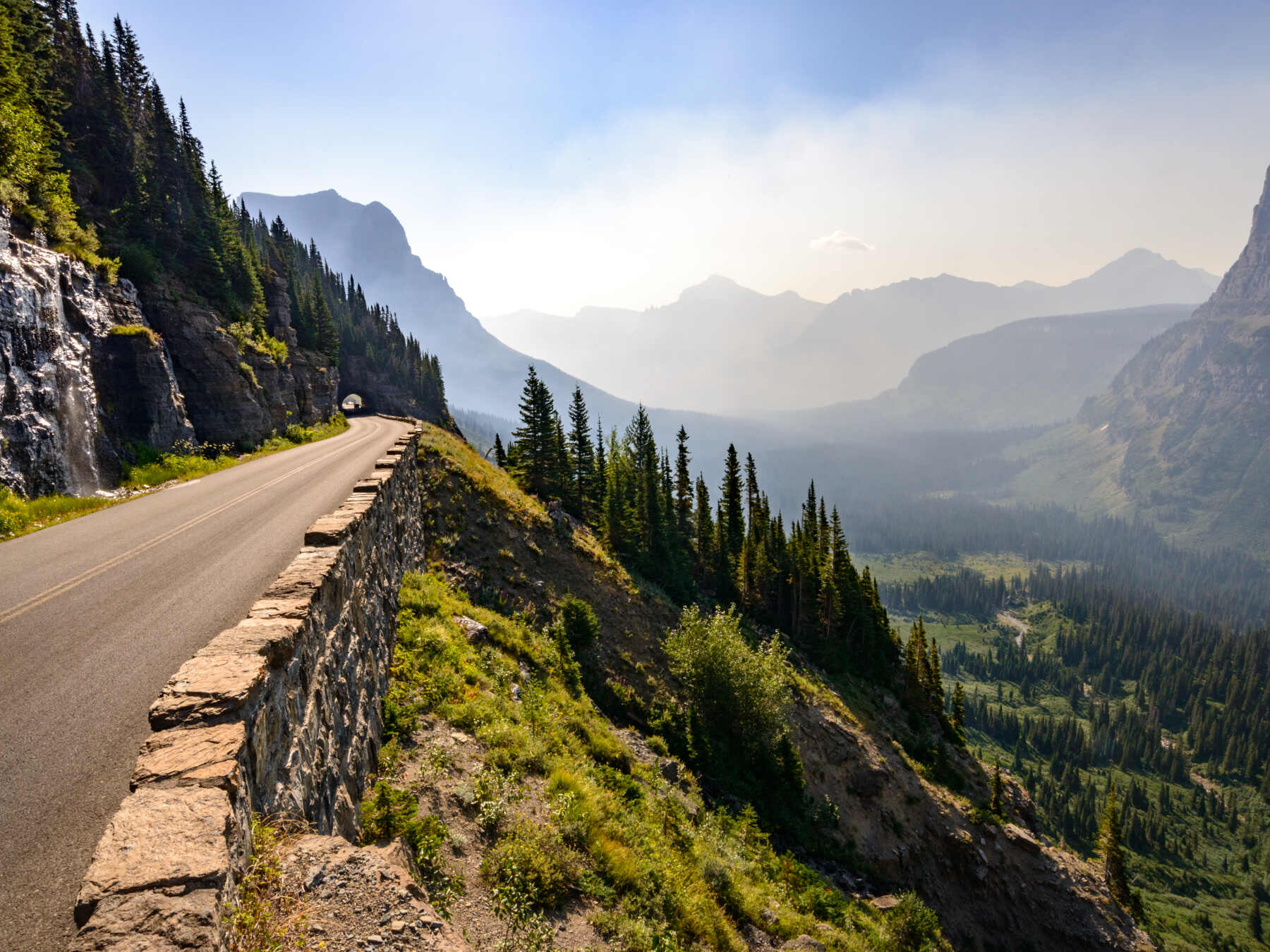
Built between 1921 and 1932, the road was designed to blend into the natural landscape and minimize environmental impact. Named for Going-to-the-Sun Mountain, a prominent peak visible along the route, it was recognized as a National Historic Landmark in 1997 for its architectural and engineering significance. But it’s extremely important to also recognize that this land is the historic area to the Blackfeet, Salish, kootenai, and Pend d’Oreille tribes. These Native peoples hold deep spiritual and cultural ties to the area, which they refer to as the "Backbone of the World." The Blackfeet controlled much of the land east of the mountains, while the Salish and Kootenai inhabited the western regions. According to Blackfeet tribal lore, the name comes from a mythical figure, Napi, or Old Man, a hero who descended from the Sun to teach the Blackfeet people. After completing his teachings, he ascended back to the heavens from a mountain now known as Going-to-the-Sun Mountain, which the road skirts.
When construction began in 1921, many engineers doubted whether a road could even be built through Glacier National Park’s rugged terrain. Workers faced treacherous conditions, from blasting through sheer rock cliffs to enduring harsh weather. One particularly challenging section was the Garden Wall, a narrow ledge where builders had to carve the road into the mountainside. The effort required extreme precision and courage, often with workers suspended by ropes over sheer drop-offs. Despite these challenges, the road was completed in 1932, celebrated as a feat of engineering.
The Going-to-the-Sun Road is more than just a scenic drive. With so much history winding through the lanes, it’s the only road that spans the park, offering access to its diverse ecosystems, towering peaks, and pristine valleys. Our drive today is going to be one to remember, I promise!
Read More
Place 1
West Glacier Entrance
Place 2
Going-to-the-Sun Road
Place 3
Glacier Red Jammer Buses
Place 4
Lake McDonald
Place 5
Lake McDonald Lodge
Place 6
Trail of the Cedars
Place 7
The 6 Ecological Zones
Place 8
The Loop
Place 9
Grinnell Glacier
Place 10
Triple Arches
Place 11
Logan Pass
Place 12
Jackson Glacier Overlook
Place 13
Saint Mary Falls
Place 14
Saint Mary Lake & Goose Island Lookout