
Places (POIs) visited during this tour
Place #1
Recommended Starting Point
Distance: 0.33mi
, Attraction : Neighborhood
17 Rue du Petit Puits, 13002 Marseille, France
Le Panier
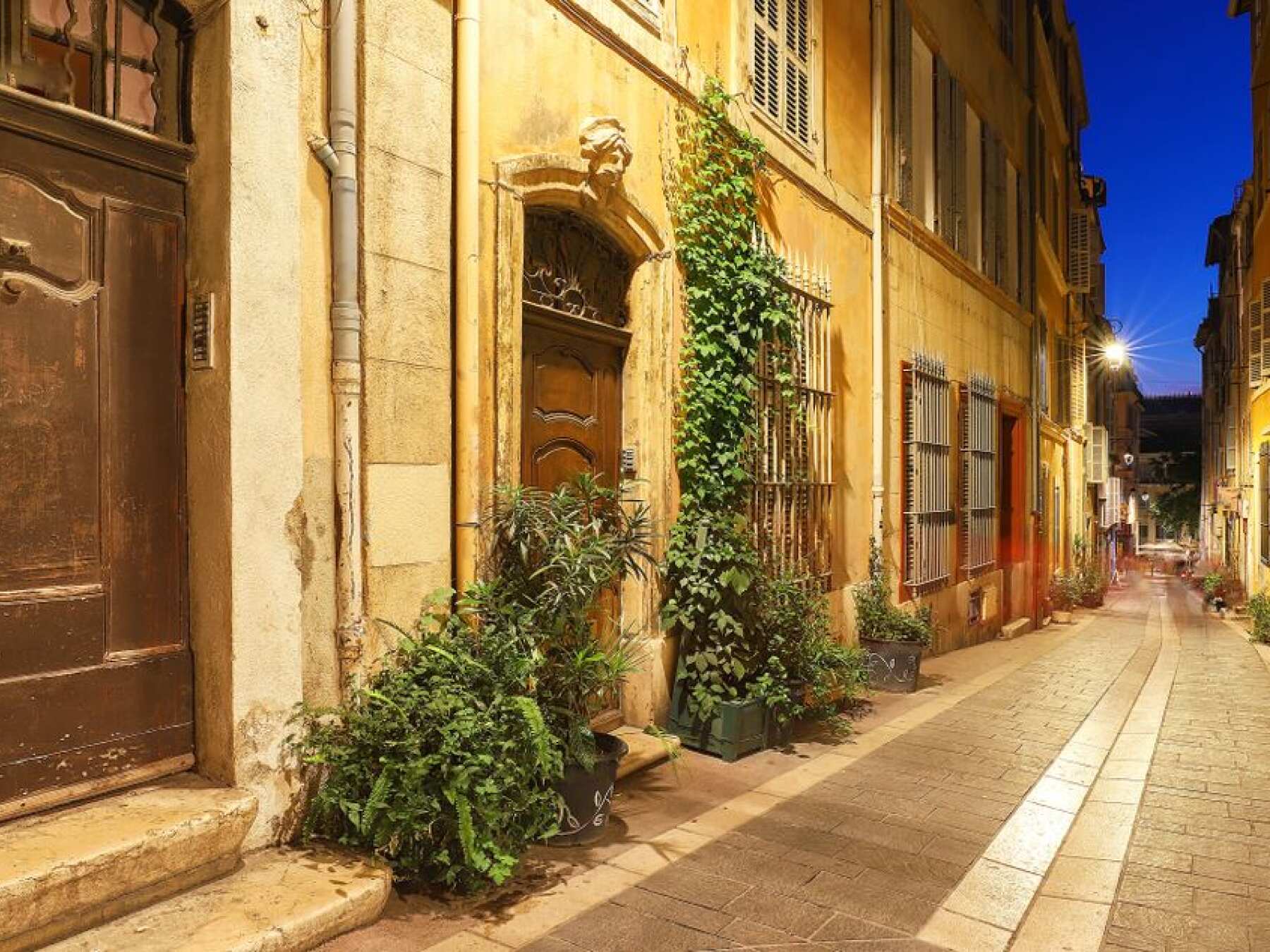
So today's tour doesn't go through Le Panier, but I highly recommend you take some time to stroll around and explore sometime.
Le Panier is a vibrant and historic neighborhood that encapsulates the essence of Marseille's rich cultural tapestry. Steeped in centuries of history, this quarter exudes a charm that captivates both locals and visitors alike.
Wandering through the narrow, winding streets of Le Panier is like stepping back in time. The cobblestone alleys are lined with colorful buildings adorned with intricate wrought-iron balconies, and laundry hangs gracefully from windows, adding a touch of authenticity to the scene. The architecture reflects the neighborhood's diverse past, blending influences from Mediterranean, North African, and Provencal cultures.
Le Panier's character is not only embedded in its architecture but also in its artistic spirit. The area has become a haven for local artists, with numerous galleries and studios showcasing contemporary and traditional art. Street art, too, adds a dynamic and ever-changing element to the neighborhood, turning a simple stroll into a visual feast.
Cafés and bistros dot the streets, offering a delightful array of local cuisine. From freshly baked pastries to savory seafood dishes, Le Panier tantalizes the taste buds with a medley of flavors. The communal atmosphere invites people to linger over a cup of espresso, engaging in the cherished French tradition of savoring life's simple pleasures.
Le Panier's history is palpable in landmarks like the Vieille Charité, a former almshouse turned cultural center, and the Abbaye Saint-Victor, an ancient monastery overlooking the Old Port. Each corner tells a story, weaving together the threads of Marseille's past and present.
In the midst of its timeless beauty, Le Panier is also a living, breathing neighborhood with a tight-knit community. Local markets bustle with activity, and the sounds of animated conversations and laughter spill into the streets. This fusion of history, art, and community makes Le Panier an integral part of Marseille's identity—a place where the soul of the city is etched into every stone and echoed in every conversation.
When you are ready to continue, just follow your navigation to our next place, the Old Charity Center.
Read More
Place #2
Distance: 0.23mi
, Attraction : Historic Building
4 Trav. de la Charité, 13002 Marseille, France
Old Charity Center
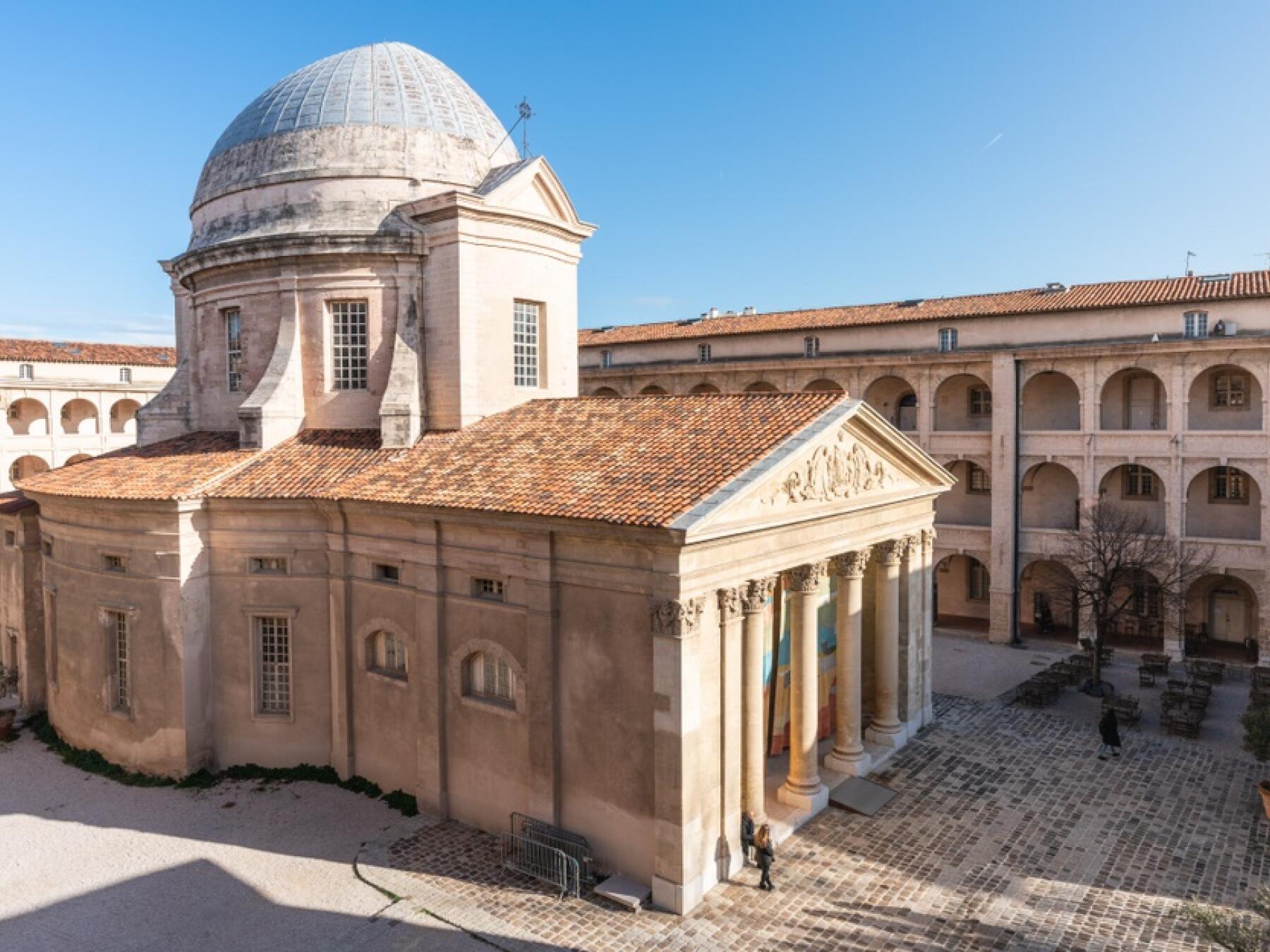
We are coming up to the Old Charity Center. It will be on your right. This historic building has transformed from its origins as an almshouse into a dynamic museum and cultural center. In the 17th century, France witnessed a harsh crackdown on beggars, marked by the ruthless actions of guards known as Chasse-gueux, or "beggar-hunters." This period saw the expulsion of non-resident beggars from Marseille, while native beggars faced imprisonment. Arrests were often met with public sympathy for the beggars, reflecting the discontent with the brutal repression.
During this era, almshouses emerged as workhouses for beggars, offering employment opportunities such as domestic service, cabin boy positions, and apprenticeships with seamstresses or bakers. The role of the Old Charity Center expanded over time, accommodating a growing number of inmates from 850 in 1736 to 1059 in 1760. As societal attitudes towards imprisoning the poor evolved, the inmate population dwindled to 250 by 1781.
Surviving the upheavals of the French Revolution, the building transitioned into an asylum for vagrants and the dispossessed in the 19th century. Later repurposed as a barracks for the French Foreign Legion until 1922, it provided refuge for those displaced by urban demolitions and wartime destruction. Over time, neglect led to its occupation by squatters, pillagers, and vandals. By 1962, the structure housed 146 families in deplorable conditions and a group of around 30 Little Sisters of Jesus living in equally dire circumstances.
In 1968 funds were allocated for the restoration of The Old Charity Center. The painstaking restoration work, spanning from 1970 to 1986, culminated in the completion of the chapel's restoration in 1981, reviving the historic complex from a state of total dereliction.
Today it stands as a cultural and artistic beacon in Marseille, a stark departure from its historical role as an almshouse. The meticulously restored complex has evolved into a multifaceted space that enriches the city's cultural landscape. Housing several museums and cultural institutions, including the Museum of Mediterranean Archaeology and the Museum of African, Oceanic, and Amerindian Arts, The Old Charity Center invites visitors to explore diverse exhibits spanning continents and epochs.
Beyond its role as a museum, the complex serves as a dynamic cultural center, hosting events, exhibitions, and performances that celebrate Marseille's vibrant artistic community. The central courtyard, once a haven for the less fortunate, now welcomes visitors to gather, reflect, and appreciate the historical and architectural significance of the site.
When you are ready, please follow your navigation.
Read More
Tour itinerary stops | Additional places you'll see on this self-guided tour
Click below for full access to this tour
Have any questions about this tour? Or a general travel / self-guided tours question? That's completely natural
+ How long does this tour take?
Most travelers complete this tour in approximately 2 to 2.5 hours, depending on pace, time spent at each stop, and optional detours. Having said that, please remember that self-guided tours are extremly flexible (you can start, pause, continue anytime) and everyone has their own pace.
+ What does this tour include?
This self-guided walking tour includes 31 stops, covering top attractions such as Le Panier, Old Charity Center, Directions, Marseille Cathedral, Directions.
+ Where does the tour start?
The tour starts at Le Panier (Address: 17 Rue du Petit Puits, 13002 Marseille, France). You can begin the tour there or join from any stop along the route.
+ What type of tour is this?
This is a self-guided walking tour designed to be completed on foot through walkable areas and city highlights.
+ Can I do this tour at my own pace?
Yes, this is a self-guided walking tour, so you can start anytime and explore at your own pace. You can pause, skip stops, or spend more time at places that interest you. You can even split it into multiple days. Explore however feels right for you.
+ Is this a walkable tour?
Yes, this tour is fully walkable and designed to follow a comfortable route through pedestrian-friendly areas.
+ Do I need anything in order to take the tour?
There is one thing that you need - A mobile phone (with the UCPlaces app installed and active location services, and a cellular data plan with a decent signal for downloading the tour) and comfortable walking shoes! But here are some recommendations for a great experience: 1. Make sure your phone is fully charged and bring a mobile charger/battery. 2. Bring earphones for the best experience. 3. Bring a bottle of water and dress appropriately according to the weather forecast.
+ How will I navigate from point to point during the tour?
The tour uses GPS-based navigation through the UCPlaces app, with automatic audio playback and step-by-step directions between stops. Just follow the route (cross streets carefully using crosswalks) and listen to the audio guide. Use the resume feature to continue the from where you recently stopped (or closed the app). Easily skip or go back to stops.
+ What known landmarks and main sites does this tour have?
The top landmarks and main sites on this tour include Marseille Cathedral, MuCEM, Fort Saint-Jean, Marseille City Hall, Fort St Nicolas and Le Panier. In total, the tour has 31 points of interest along the route.
+ Is this tour suitable for families or groups?
Yes, self-guided tours are ideal for families and small groups, allowing everyone to explore comfortably without being tied to a fixed schedule.
+ What makes a self-guided tour better than a guided tour?
Self-guided tours are more flexible, affordable, and personalized. You can avoid crowds, choose your pace, and focus on the stops that interest you most.
+ I installed the app and it's now asking for GPS and media access permissions, why?
The app is your tour-guide, it needs to know where you are located on the map to be able to trigger the points of interest. It also needs access to audio and media files to provide you with this experience.
+ What happens if there are unexpected roadblocks or navigation issues?
We have been working hard to deliver a great experience. Though you may run into unexpected obstacles (the world is constantly changing), our app has multiple features and mechanisms in place to help you overcome them, including: AI assistance, force play an audio if you can't reach the stop, skip or return to stops, automatic rerouting and more.
+ Can I take the tour in my language?
Though all of our tours are primarily in English, many tours are muyltilingual (including: Spanish, German, Portuguese, French, Japanese, Hebrew, French, Arabic and more...). The tour language options depend on the specific tour - You can easily check which languages are available in the tour screen!
) to use Force Play, Skip, and Back, for full flexibility.