

Wroclaw Self-Guided (GPS) Audio Walking Tour, Poland - Main Sites, History, Culture and beautiful canals
About this English self-guided 1h:55m walking tour in Wrocław
Hello and welcome to this UCPlaces tour of Wroclaw Poland. This wondrous city in eastern Poland has seen it all and has the scars to prove it.
Sometimes referred to as the “Venice of The North '' due to its large number of waterways and islands is sure to provide curious visitors a journey to remember.
Our tour will begin on the banks of the Fosa Miejska canal, boasting several memorials, monuments and beautiful scenery. There is a large underground parking garage here under Wolności Square that is a suitable place to embark from. It is part of the National Forum of Music building. The top of the parking garage is sometimes used by local vendors during festivals, and is also sometimes used as an area to skate. The entrance to the parking lot is from Krupnicza and Zamkowa streets. The entrances and elevators to the parking lot from the square level are covered with glass shelters.
Ok, let’s get going and see Wroclaw!
- 1For the best experience, begin at the tour's recommended starting point and follow the stops in order.
- 2Want to start somewhere else? Simply use Start At on the tour screen, before tapping Start Tour, to begin from any stop.
- 3Need to detour or skip a stop along the way? Tap Tour Assistant (
![UCPlaces AI Bot Icon]() ) to use Force Play, Skip, and Back, for full flexibility.
 ) to use Force Play, Skip, and Back, for full flexibility.
Route Preview
- Category
- Language
- Mode

Places (POIs) visited during this tour

Świdnicka 38, 50-438 Wrocław, Poland
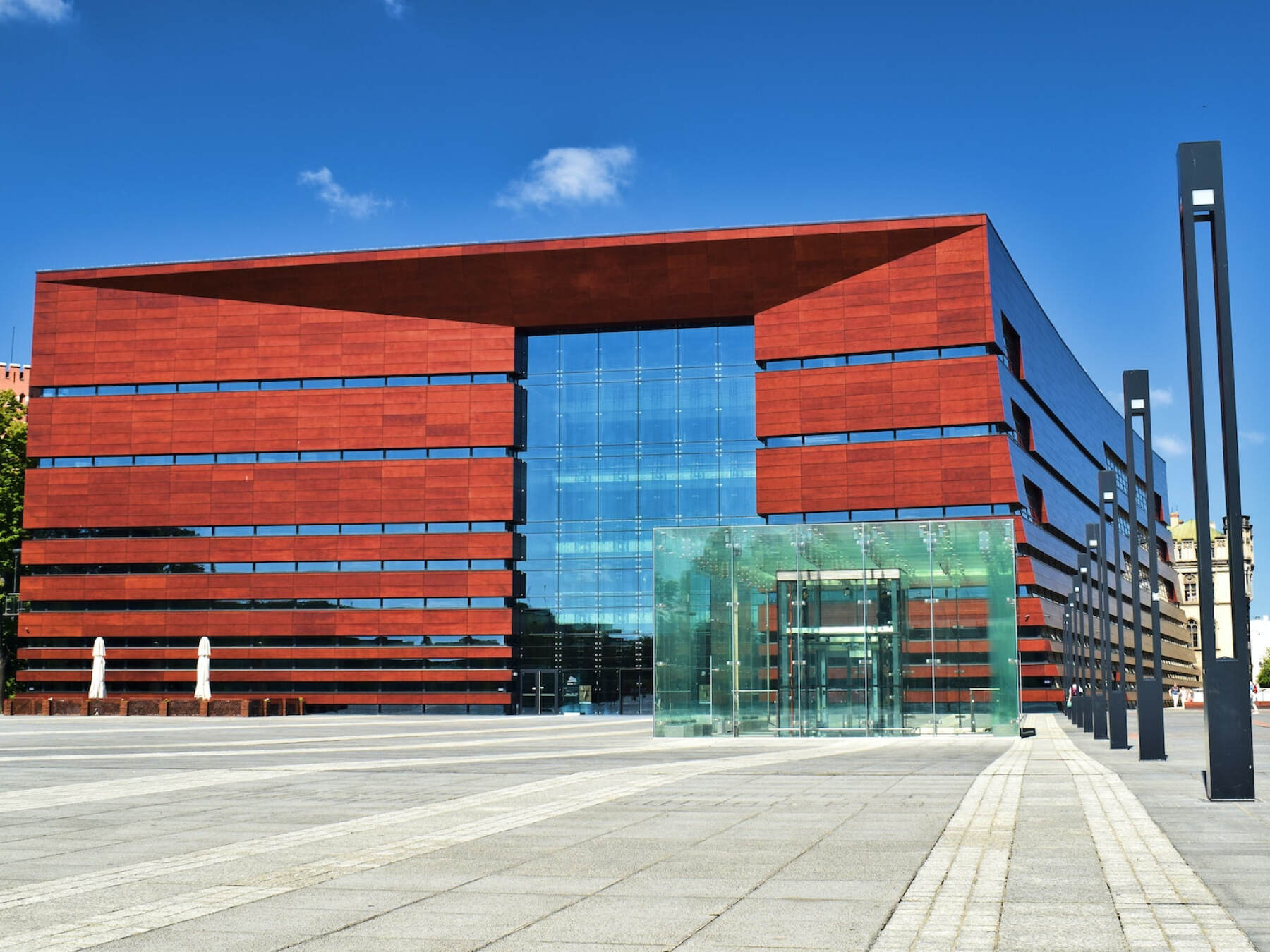
One significant element located near Fosa Miejska was the Monument to Stalin. The monument was erected in 1953 during the period of communist rule in Poland. It was a grandiose, imposing structure that depicted Joseph Stalin, the Soviet leader, alongside Polish and Soviet soldiers. The monument was meant to symbolize the close relationship between Poland and the Soviet Union during the post-World War II era.
However, with the changing political climate and the growing discontent with Soviet influence in Poland, the monument became a source of controversy and was eventually dismantled in 1956 during the Polish October protests. The removal of the Stalin Monument marked a significant moment in Wrocław's history and Poland's shift away from Soviet influence.
Today, the area around Fosa Miejska is a peaceful and scenic part of the city, with walking paths and green spaces that invite both locals and tourists to enjoy leisurely strolls and outdoor activities. The history of the Monument to Stalin serves as a reminder of Wrocław's complex and ever-evolving past.
Read More
Świdnicka 35, 50-066 Wrocław, Poland
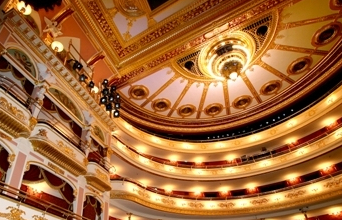
The Wrocław Opera has a rich history dating back to the 18th century when it was originally founded as the "Opera Theater." Over the centuries, it underwent various transformations, rebuildings, and changes of location. The current neo-baroque building that houses the opera company was constructed in the late 19th century.
The opera house's architecture is a stunning example of neo-baroque style, characterized by ornate decorations, grand facades, and a majestic interior. The building's design features a richly decorated foyer, grand staircases, and a beautiful auditorium.
It is the only opera in Poland, which since 1997 has presented “supershows”, spectacles prepared in unconventional, big spaces for thousands of spectators, with hundreds of performers and using monumental sceneries and special effects.
Place 1
City Moat
Place 2
The Wrocław Opera House
Place 3
Royal Palace and City Museum of Wroclaw
Place 4
Plac Solny and Air Raid Shelter
Place 5
St. Elizabeth's Church (Kościół Św. Elżbiety)
Place 6
Hansel and Gretel Houses
Place 7
Cuisine
Place 8
John of Nepomuk Statue
Place 9
Tenement House with WW2 Bullet Holes
Place 10
University of Wroclaw
Place 11
Islands of Wroclaw and Oder
Place 12
Most Piaskowy Bridge
Place 13
Story time
Place 14
Church of St. Mary on the Sand
Place 15
Plac Koscielny and Monument to St. Jan Nepomucen
Place 16
The Cathedral of Saint John the Baptist
Place 17
Arch and Pokoju Bridge
Place 18
National Museum in Wrocław
Place 19
Juliusza Słowackiego Park
Place 20
Museum Panorama
Place 21
The Architecture Museum in Wrocław
Place 22
The Church and Monastery of St. Adalbert
Place 23
The Bridge of Penitents
Place 24
Dwarf Statues
Place 25
Market Square
Place 26
Rynek Underground