

Acadia National Park Self-Guided (GPS) Audio Driving Tour, Bar Harbor, Maine - Hidden Gems Scenic Drive
About this English self-guided 1h:46m driving tour in Bar Harbor
Hello and welcome to this UCPlaces tour of Acadia National Park, on the north eastern coast of Maine. My name is Dave, and it will be my pleasure serving as your co-pilot today.
This scenic driving tour of Acadia National Park begins near Bar Harbor at the historic Sieur de Monts Spring, where you'll explore the Wild Gardens of Acadia and the Nature Center. From there, you'll wind through the charming village of Otter Creek, taking in coastal vistas as you approach the stunning Sand Beach. Continuing along the rugged coastline, you’ll visit landmarks like Thunder Hole and Otter Cliff before finishing the tour with a breathtaking ascent to the summit of Cadillac Mountain, where you’ll be rewarded with panoramic views of the park and the Atlantic Ocean.
Today’s journey will cover about 20 miles and take an hour and a half to two hours to complete. The duration will depend on how much time you want to spend soaking in the views, and exploring trails.
Our tour today is designed to end at the summit of Cadillac Mountain. As of recent years, the National Park Service has implemented a timed-entry reservation system for vehicles driving up Cadillac Mountain, especially during the busy months from May through October. Permits are required for specific time slots and can be booked in advance on the Acadia National Park website.
We will begin today in Southern Bar Harbor, just off main street on SweetWater Circle. Follow your GPS, and we will begin shortly. Buckle up and enjoy the ride.
- 1For the best experience, begin at the tour's recommended starting point and follow the stops in order.
- 2Want to start somewhere else? Simply use Start At on the tour screen, before tapping Start Tour, to begin from any stop.
- 3Need to detour or skip a stop along the way? Tap Tour Assistant (
![UCPlaces AI Bot Icon]() ) to use Force Play, Skip, and Back, for full flexibility.
 ) to use Force Play, Skip, and Back, for full flexibility.
Route Preview
- Category
- Language
- Mode
- Region
- Country
- City

Places (POIs) visited during this tour

44 Sweet Water Cir, Bar Harbor, ME 04609, USA
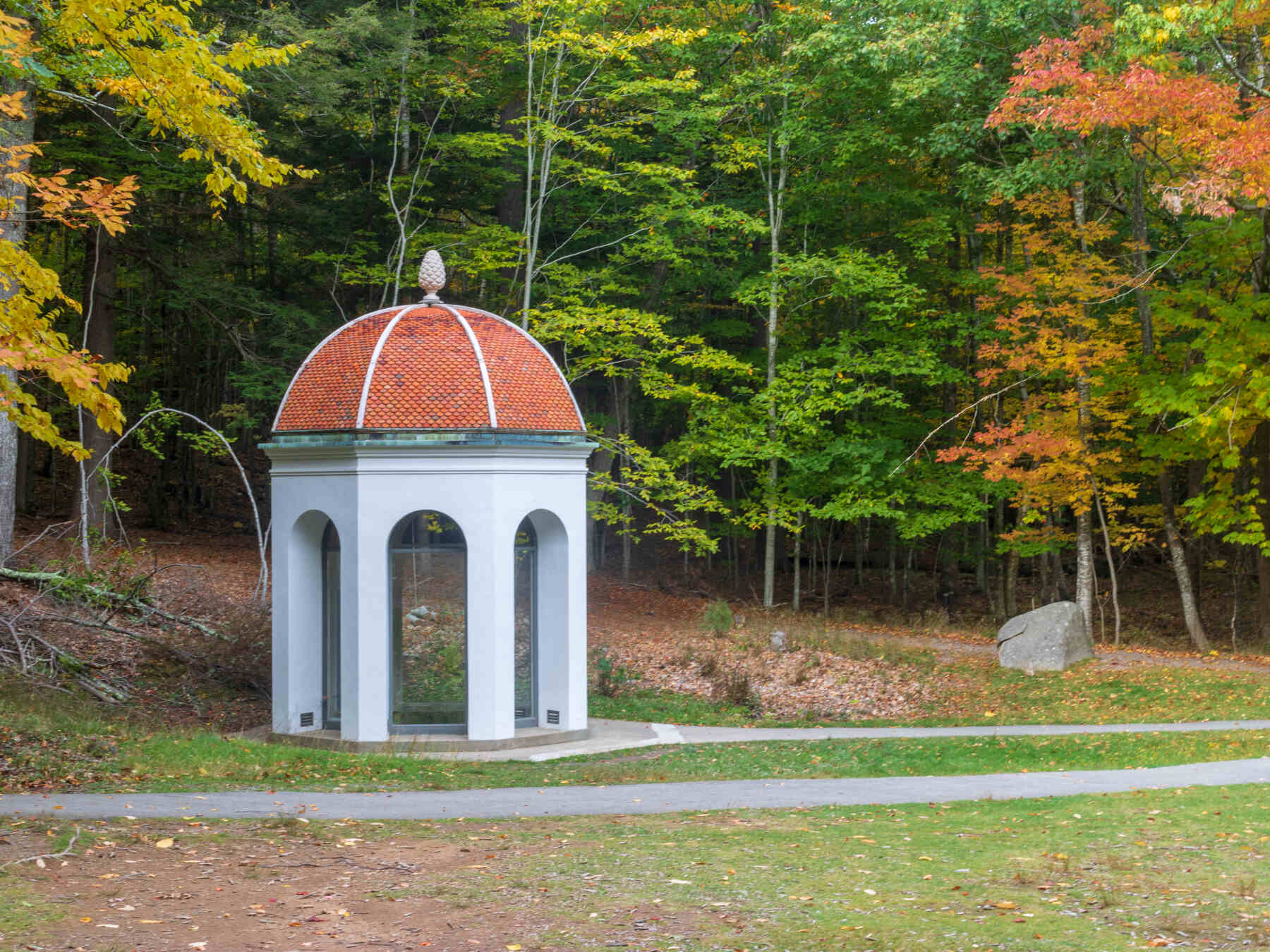
You can park here and walk to both of these places. Let’s first checkout the Springs. Follow the signs pointing to the location.
Sieur de Monts Spring is a small, clear spring. The spring was named by George B. Dorr after Pierre Dugua, Sieur de Monts, a French nobleman who was granted the rights to colonize much of the northeastern coast of North America in the early 17th century. Dorr chose the name to honor the region’s historical ties to French exploration.
The spring itself may seem modest—a small, bubbling pool surrounded by lush greenery—but it became a symbolic centerpiece of Dorr’s efforts to preserve Mount Desert Island. He saw it as a representation of the island’s natural beauty and purity, which he felt needed to be protected for future generations. Dorr built a stone shelter around the spring with a simple inscription that reads: "The sweet waters of Acadia." This structure still stands today, blending into the natural landscape.
Sieur de Monts Spring is not only a peaceful spot to visit, but it also represents the starting point for some of the most critical early conservation work in Acadia. It was near the spring that Dorr established the park’s first visitor center and educational efforts, which helped introduce the public to the significance of the area. Today, the spring remains a tranquil location, surrounded by trails and gardens, where visitors can reflect on the natural beauty that inspired Dorr’s work.
The area is often visited as part of the Sieur de Monts Spring Complex, which includes the Wild Gardens of Acadia, the Nature Center, and the Abbe Museum, making it a hub of history, culture, and conservation within the park. The spring stands as a testament to the park’s origins and George B. Dorr’s lasting impact on the preservation of this unique landscape.
Adjacent to the spring is the Nature Center, a hub for learning about Acadia's diverse ecosystems. Here, you can explore exhibits on the park's flora and fauna, geology, and conservation efforts. It’s a great place to start your visit, as it provides insight into the natural and cultural history of the park.
Also at Sieur de Monts is the Wild Gardens of Acadia, a small but beautifully curated garden featuring over 300 species of native plants, offering visitors a snapshot of the region's biodiversity. The gardens are divided into different sections, each designed to mimic a specific habitat found in Acadia National Park. Visitors can wander through small representations of ecosystems such as Mountain summits, Meadows and fields, Woodlands, Marshes, Bogs and shorelines.
Each habitat features the plants that naturally grow in these areas, allowing you to see species like blueberries, ferns, mosses, wildflowers, and various shrubs and trees that thrive in the wild parts of the park.
The gardens highlight plants that are native to Maine and Mount Desert Island, many of which can be hard to spot or identify in the wild. Some of the plants you might encounter include: Bunchberry, Lady’s Slipper Orchids, Lowbush Blueberry, Northern White Cedar, and Pitcher Plants, which are found in bog habitats.
While the focus is on plants, the gardens are a haven for birds and small wildlife as well. You might see various bird species like warblers, chickadees, and woodpeckers, especially near the woodland and pond habitats.
Ok, let’s head back to the car and get moving. But first, if you need to use the restroom, there are public toilets across SweetWater Circle road.
Read More
2 Sieur de Monts Rd, Bar Harbor, ME 04609, USA
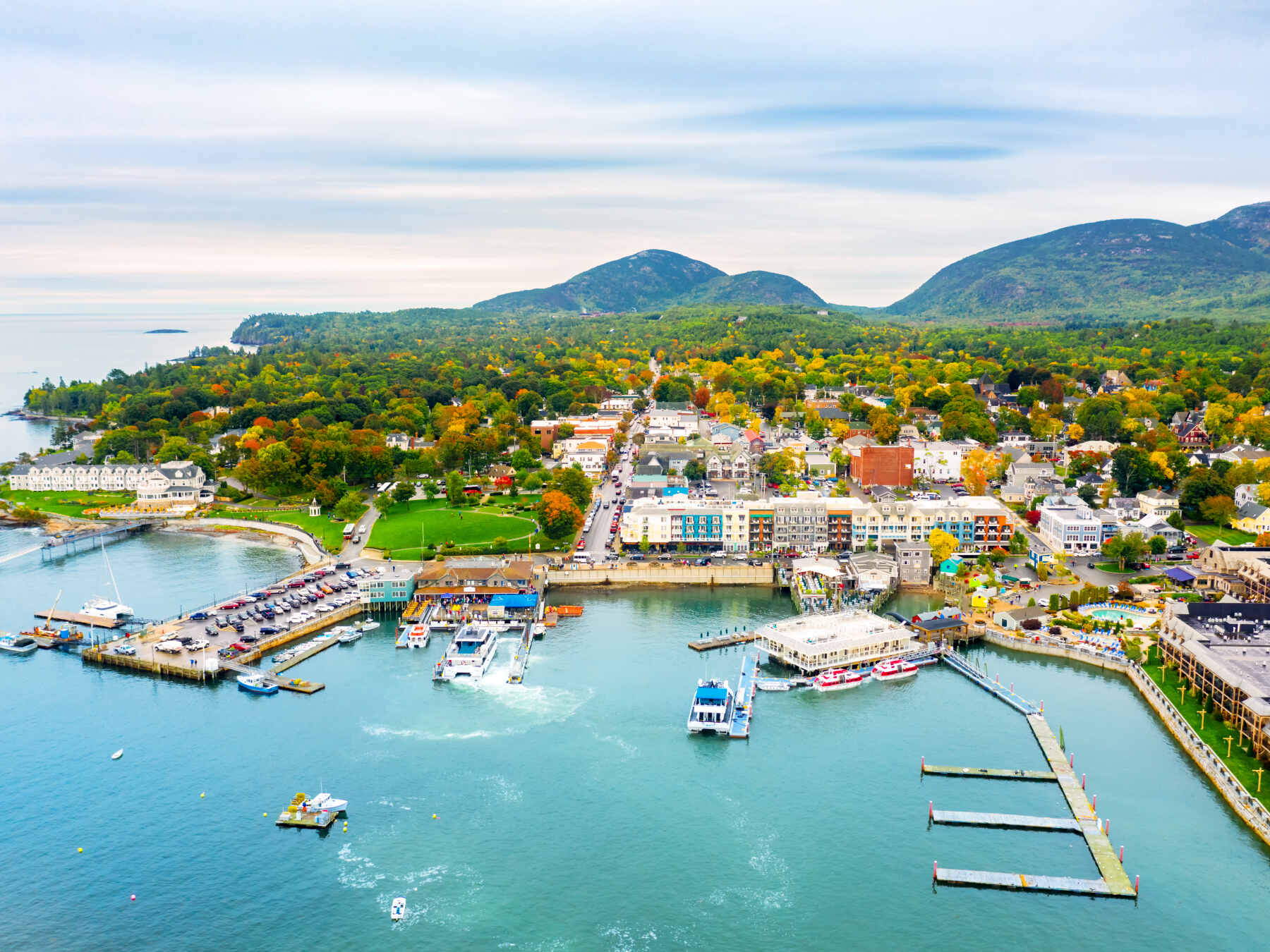
Bar Harbor, located on Mount Desert Island in Maine, has a long history, once being a retreat for wealthy families during the 19th century. Mansions and estates were built along the coastline, many of which were destroyed by a devastating fire in 1947. Despite this, the town retains much of its historic charm, with quaint streets, boutique shops, art galleries, and restaurants offering local seafood like lobster.
Bar Harbor is known for its stunning waterfront, where you can walk along the Shore Path, a scenic walk along the water’s edge, offering views of Frenchman Bay, islands, and the surrounding mountains.
Bar Harbor serves as the main gateway to Acadia National Park, one of the most visited national parks in the United States. The park entrance is only a few miles from the town, making it a convenient base for visitors.
Bar Harbor and Acadia share much of the same dramatic scenery—granite cliffs, lush forests, and Atlantic Ocean views. Wildlife such as eagles, seabirds, whales, and deer are often seen around both areas.
Bar Harbor thrives on the influx of tourists drawn by Acadia National Park. The town offers lodging, dining, and recreational services to park visitors. Its location makes it the ideal place for people who want easy access to nature but prefer to stay in a vibrant town.
Bar Harbor also plays a role in the conservation and education efforts tied to Acadia. Museums, like the Abbe Museum, focus on the cultural history of the region, including the native Wabanaki people, while organizations promote conservation and sustainability for Acadia’s natural resources.
The Shore Path, a scenic walking path along the coastline that starts near the Bar Harbor Inn and runs for about a mile. The path offers stunning views of Frenchman Bay, the Porcupine Islands, and the mountains of Acadia. It’s a peaceful way to enjoy the waterfront, and it’s a perfect spot for a morning or evening stroll.
In the downtown area resides The Criterion Theatre: A historic Art Deco theater built in 1932 that still operates today. This theater is a cultural gem in Bar Harbor, offering films, live performances, and concerts. Its distinctive architecture and vintage feel make it a popular attraction for visitors who enjoy history and the arts.
Ever had blueberry ale? The Atlantic Brewing Company Downtown Bar Harbor is a brewery tasting room located in the heart of downtown. Atlantic Brewing is a local craft brewery, and visitors can sample a variety of beers including their popular blueberry ale. It’s a fun stop for beer enthusiasts and a great place to relax after exploring.
Bear left on Park Loop Road, as we will check out some stunning views of the coast.
Read More
Place 1
Sieur de Monts Springs and Wild Gardens
Place 2
Bar Harbor
Place 3
Egg Rock Overlook
Place 4
Story Time
Place 5
Schooner Head Estate and Cemetery
Place 6
Sand Beach
Place 7
Thunder Hole
Place 8
Otter Cliff
Place 9
Otter Point Overlook
Place 10
Marine Life
Place 11
Western Point Overlook and Little Hunters Beach
Place 12
Hunters Beach Overlook and Lighthouse
Place 13
Brooks and Streams
Place 14
Triad-Day Bridge
Place 15
Acadia by Carriage
Place 16
Seal Harbor
Place 17
Jordan Pond Restaurant and Rest Area
Place 18
Jordan Pond
Place 19
Bubble Rock
Place 20
Urban Legends Part 1
Place 21
Urban Legends Part 2
Place 22
Eagle Lake Overlook
Place 23
Climbing Cadillac by Car
Place 24
Indigenous Peoples
Place 25
Cadillac Mountain
Place 26
Summit