

Self-Guided Scenic Driving Tour from Maryland / Virginia / DC to New York
About this English self-guided 4h:08m driving tour in College Park
Welcome to this Ace RV Rentals journey north along Interstate 95, a road that links southern Maryland and New York City. Over the next several hours, we’ll travel through the heart of the Mid-Atlantic, tracing a path that blends history, nature, and the steady hum of modern life.
We’ll leave behind the marble monuments and bustling Beltway, cross rivers that carried soldiers and settlers, and pass towns that helped shape the nation — from the ports of Baltimore and Wilmington to the quiet farms of Delaware and the college greens of New Jersey. Every few miles reveals a new story: a hidden creek, a battlefield, a city skyline, or a stretch of forest that’s been here since before the Revolution.
As we drive, you’ll hear about the people, places, and moments that define this corridor — inventors, immigrants, artists, and dreamers who built the communities lining the highway.
By the time we reach New York, you’ll have followed one of the oldest and most storied routes in America — a ribbon of road connecting the nation’s capital to its beating urban heart.
Now, here’s something important for this tour to work the way it’s designed: always follow the signs for I-95 North and skip the Express I-95 lanes; stay on the regular I-95. That’s how we’ll stay on track together.
If you do have to leave the route, no worries. Just restart the tour by selecting the next Point of Interest as your new starting point. The app will navigate you there, and the tour will pick up seamlessly.
- 1For the best experience, begin at the tour's recommended starting point and follow the stops in order.
- 2Want to start somewhere else? Simply use Start At on the tour screen, before tapping Start Tour, to begin from any stop.
- 3Need to detour or skip a stop along the way? Tap Tour Assistant (
![UCPlaces AI Bot Icon]() ) to use Force Play, Skip, and Back, for full flexibility.
) to use Force Play, Skip, and Back, for full flexibility.
 ) to use Force Play, Skip, and Back, for full flexibility.
Route Preview
- Category
- Language
- Mode
- Region
- Country
- City

Places (POIs) visited during this tour

3500 Sellman Rd, Beltsville, MD 20705, USA
Now, here’s something important for this tour to work the way it’s designed: always follow the signs for I-95 North and skip the Express I-95 lanes; stay on the regular I-95. That’s how we’ll stay on track together.
If you do have to leave the route, no worries. Just restart the tour by selecting the next Point of Interest as your new starting point. The app will navigate you there, and the tour will pick up seamlessly.
Off to the east lies the FDA White Oak Campus, one of the nation’s leading centers for science and public health. This sprawling complex is where thousands of researchers and analysts work to ensure the safety of our nation’s food, medicines, and vaccines. Decades ago, this site was part of a Navy research facility during World War II, later transformed into a symbol of innovation and public service — fitting for a region that has always been tied to progress.
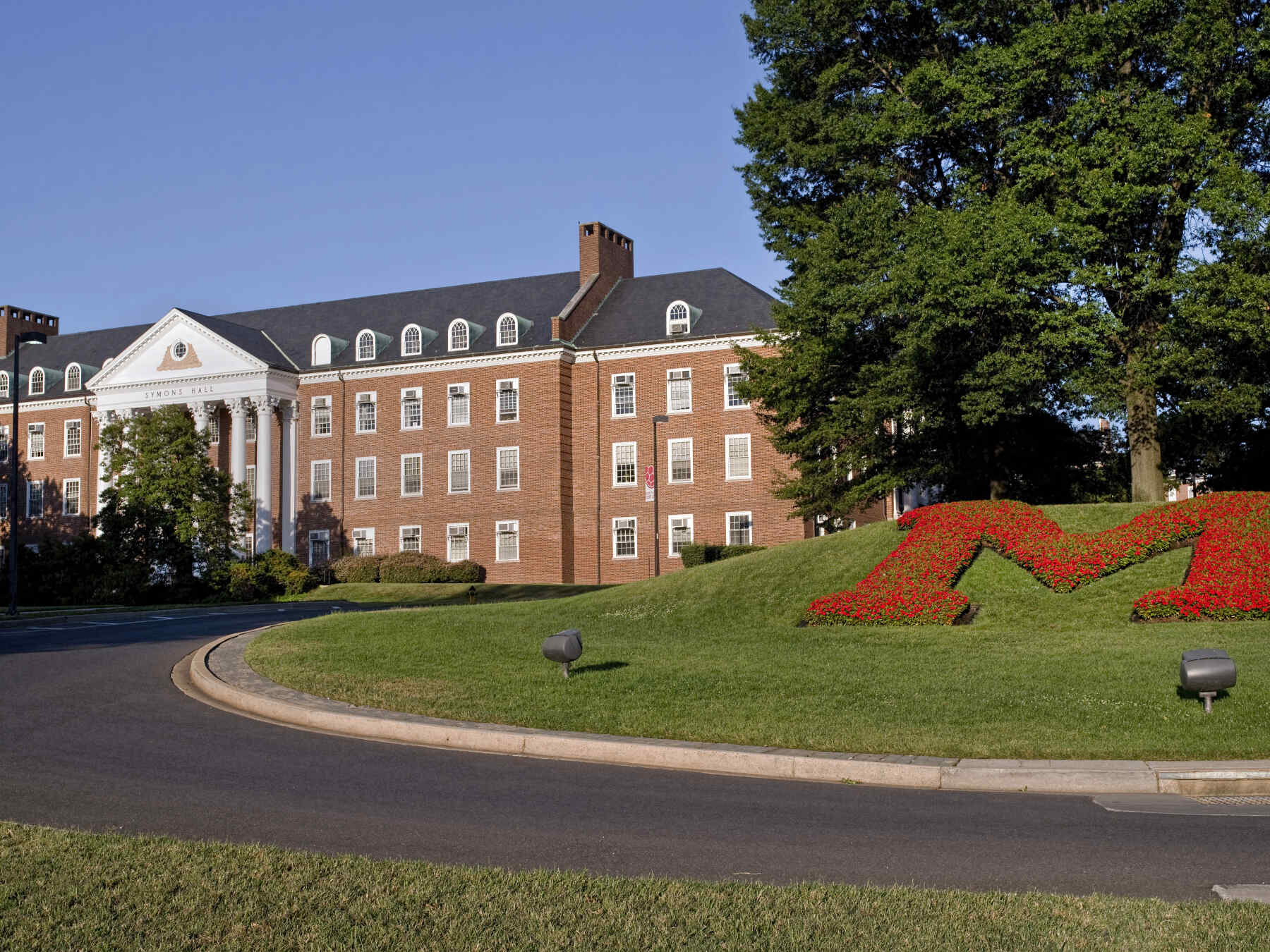
Just a few miles southwest sits the University of Maryland in College Park, founded in 1856. Once a small agricultural school, it has grown into one of the country’s top research universities — a hub of technology, policy, and discovery that reflects the modern spirit of the Washington region.
As we travel north, the city gradually gives way to quieter suburbs — stretches of green forest, red-brick buildings, and small towns like Beltsville and Laurel, where Maryland’s farmland meets the corridor of industry that links Washington to Baltimore. This stretch of I-95 is one of America’s great highways — a moving thread that connects countless stories, from commuters and truckers to travelers chasing the open road.
So settle in and enjoy the ride. Ahead lies a journey through places where science, history, and community intertwine.
Read More
33JX+4V Konterra, MD, USA
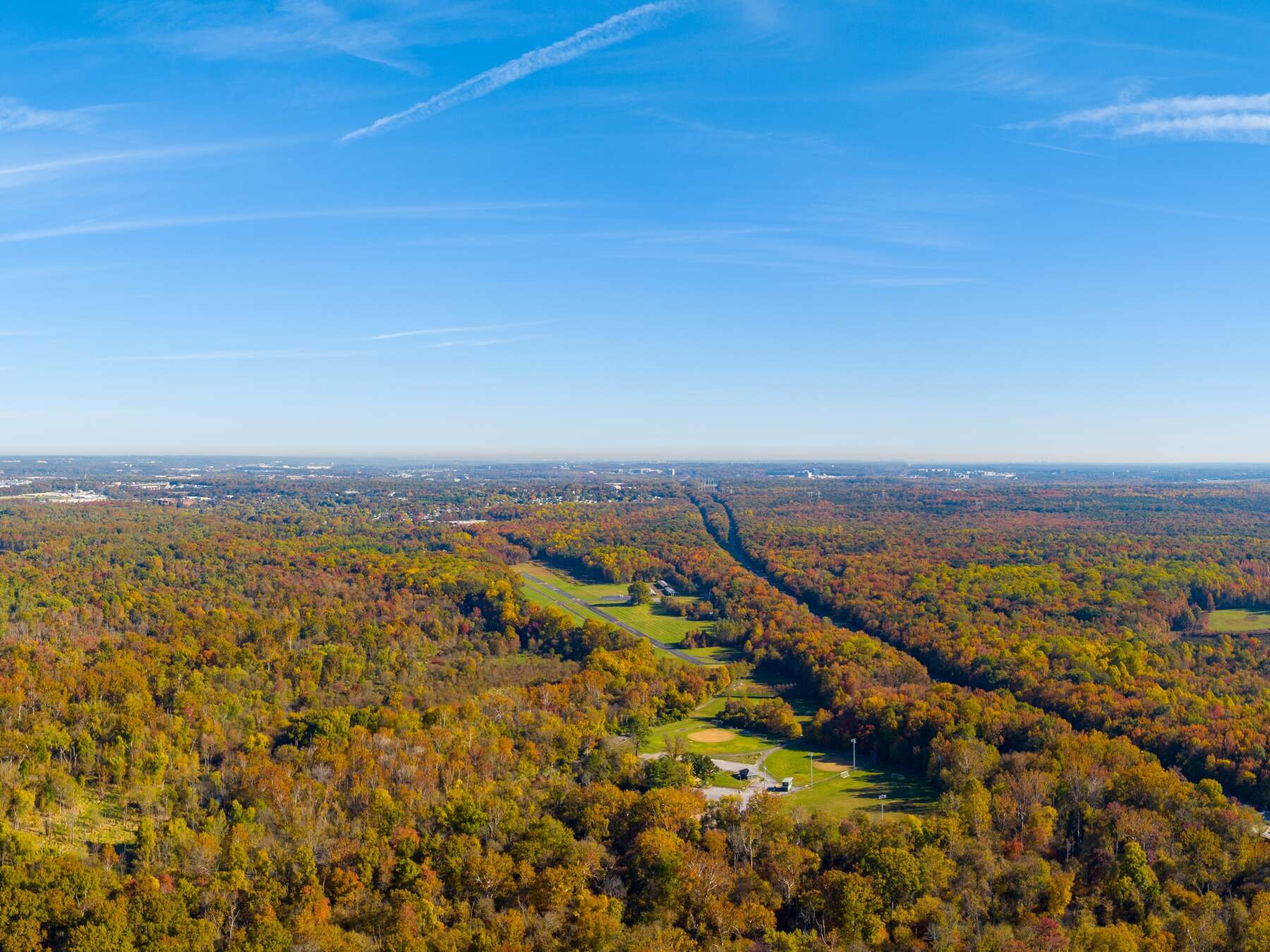
Laurel traces its roots to the early 1800s, when the Avondale Mill and other textile operations used the Patuxent’s steady current to power their looms. Cotton and wool from nearby farms were spun and dyed here, and the river served as both a lifeline and a boundary — winding through forests that are still part of protected parkland today. You can still see traces of those old mill foundations along Main Street, a historic corridor lined with red-brick buildings that once supplied goods for Washington and Baltimore alike.
When the Baltimore & Ohio Railroad arrived in the 1830s, Laurel’s destiny shifted from water to steel. The train station quickly became a vital stop along the East Coast corridor, connecting local factories to larger markets. Commuters still use that same line today — the oldest continuously operating railroad in the country.
Over the years, Laurel grew into a blend of small-town charm and modern motion. The streets hold echoes of an earlier America — general stores, old churches, and neighborhood diners — yet the hum of traffic and technology marks its role in a region that’s always on the move. Not far from here sits Laurel Park, one of Maryland’s oldest horse racing tracks, where crowds have gathered since 1911 to cheer under wide summer skies.
As we leave Laurel behind, the road begins to open up again, leading us toward the Patuxent River — the natural border between Maryland’s counties and the next step north on our drive.
Read More
Place 1
University of Maryland
Place 2
Laurel, Maryland
Place 3
Patuxent River
Place 4
Jessup and Elkridge
Place 5
Deep Run
Place 6
BWI Airport
Place 7
Baltimore, Maryland
Place 8
Fort McHenry
Place 9
Leaving Baltimore
Place 10
Gunpowder River
Place 11
Mariner Point Park
Place 12
Bush River
Place 13
Chesapeake Bay
Place 14
Havre de Grace
Place 15
Whitaker Wildlife Management Area
Place 16
Elk Neck State Forest
Place 17
Elkton, Maryland
Place 18
Delaware
Place 19
Brookside, Delaware
Place 20
Delaware History
Place 21
Wilmington
Place 22
The Delaware River
Place 23
Pennsylvania
Place 24
Ridley Creek State Park
Place 25
Native Americans
Place 26
Philadelphia
Place 27
Philadelphia Insights
Place 28
Philadelphia History
Place 29
Rancocas Creek
Place 30
Delaware River Basin
Place 31
New Jersey
Place 32
Trenton, New Jersey
Place 33
Six Flags Great Adventure
Place 34
Townships
Place 35
Princeton
Place 36
Universities
Place 37
New Brunswick, New Jersey
Place 38
Raritan River
Place 39
New York-New Jersey Bight
Place 40
New York History
Place 41
New York Skyline
Place 42
New York