
Places (POIs) visited during this tour
Place #1
Recommended Starting Point
Distance: 0.16mi
, Attraction : Historical Square
Gustav Adolfs torg 22, 111 52 Stockholm, Sweden

Gustav Adolfs Torg Square
Starting with Gustav Adolfs Torg Square, named after King Gustav II Adolph, an important monarch during the 17th century, stands as a historical hub in Stockholm. This square holds the statue of Gustav II Adolph on horseback and it really is a striking centerpiece, reminding visitors of Sweden's regal past. Due to its location in the Norrmalm district, the city's main business and shopping area, today it continues to be a vibrant venue for events and markets. With its open-air cafes and scenic views, the square captures the essence of modern Swedish life.
Gustav Adolfs Torg Square also holds hidden gems beneath its cobblestones. The square conceals remnants of the city's medieval defense walls and a well-preserved cellar from the 16th century. This convergence of the old and new, coupled with its iconic statue, showcases Stockholm's rich layers of history. A stroll here is a journey through time, where exciting market days contrast with the ghosts of long-gone knights guarding the city walls.
Gustav Adolfs Torg is surrounded by many different buildings ranging in age. Therefore, the architecture ranges in style and design as well. If you stand at the center of the square, next to the statue of Gustav II Adolph, as you turn your head in any direction you will see buildings representing many off these elements. Neo-Baroque style, with grand facades and a domed roof, Gothic style showing off pointed arches, ribbed vaults, and spires and pinnacles, Renaissance with symmetry and human forms, and even Modern styles with minimalist design, tons of glasswork, and clean lines.
The square's cultural tapestry captures the essence of Stockholm's evolution, making it a must-visit for those eager to experience the city's heart.
Gustav Adolfs Torg Square also holds hidden gems beneath its cobblestones. The square conceals remnants of the city's medieval defense walls and a well-preserved cellar from the 16th century. This convergence of the old and new, coupled with its iconic statue, showcases Stockholm's rich layers of history. A stroll here is a journey through time, where exciting market days contrast with the ghosts of long-gone knights guarding the city walls.
Gustav Adolfs Torg is surrounded by many different buildings ranging in age. Therefore, the architecture ranges in style and design as well. If you stand at the center of the square, next to the statue of Gustav II Adolph, as you turn your head in any direction you will see buildings representing many off these elements. Neo-Baroque style, with grand facades and a domed roof, Gothic style showing off pointed arches, ribbed vaults, and spires and pinnacles, Renaissance with symmetry and human forms, and even Modern styles with minimalist design, tons of glasswork, and clean lines.
The square's cultural tapestry captures the essence of Stockholm's evolution, making it a must-visit for those eager to experience the city's heart.
Read More
Place #2
Distance: 0.21mi
, Attraction : Opera House
Gustav Adolfs torg 20, 111 52 Stockholm, Sweden
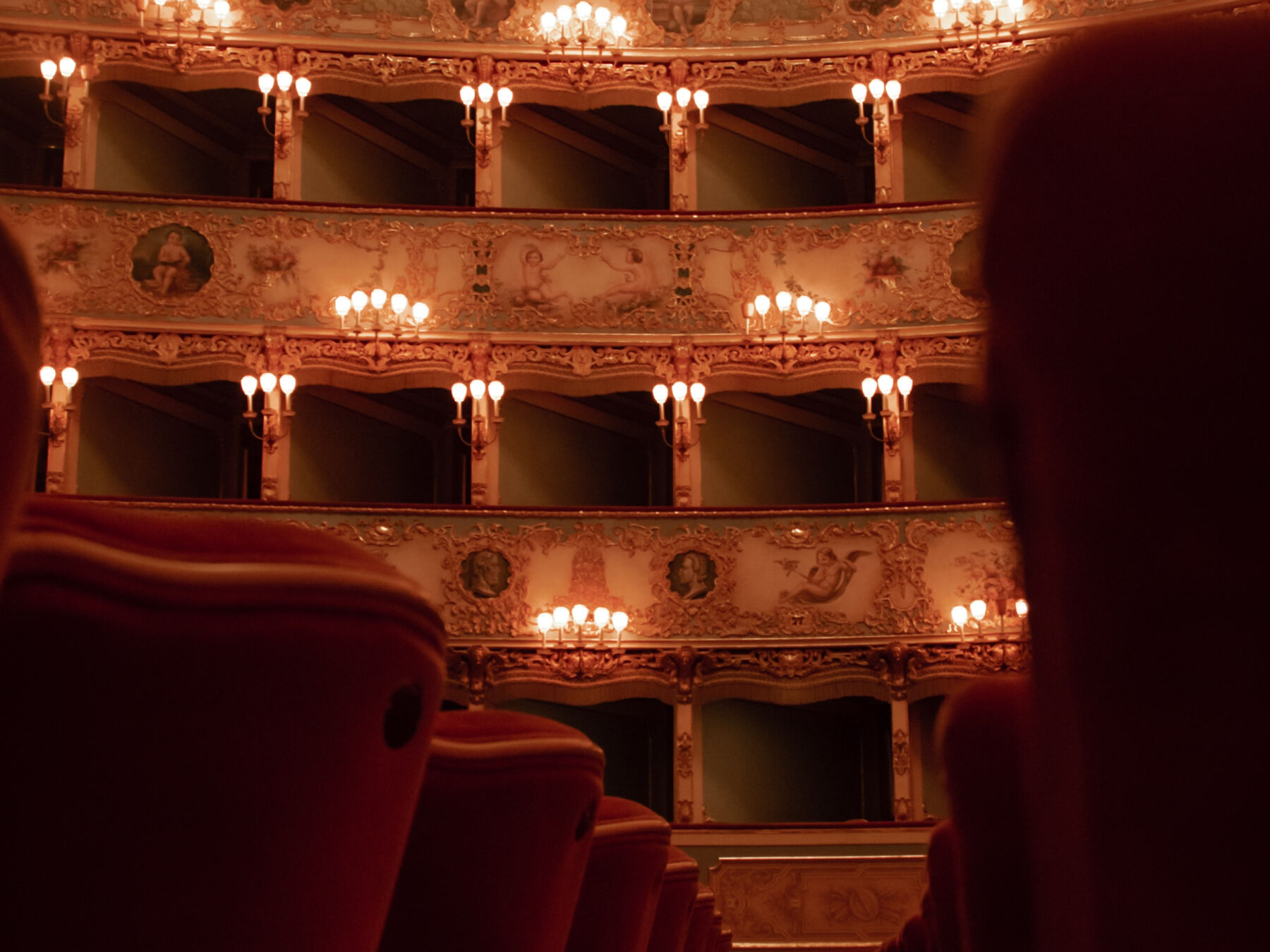
Royal Swedish Opera House
The Royal Swedish Opera House, also known as Kungliga, is a neo-baroque masterpiece that embodies Stockholm's cultural splendor.
It has been Sweden's national theater for opera and ballet since January 18, 1773, the first performance of the opera house. From then, King Gustav III wanted a fully Swedish ensemble inside a Swedish opera, so he commissioned a new building to be built.This was completed in 1782 but almost after two years to the day, King Gustav III was shot at a masked ball held at his very own opera.
This opera house was in use for about 100 years, but a decision was made to take it down in 1892. Finally, close to 7 years later in 1898, the opera house was completed and opened to the public.
Throughout the years new design additions have been made as well as multiple name changes, 12 to be exact. In 1997 the official name of Kungliga Teatern, The Royal Theater, was given, and became the opera house we know today.
Beyond its fascinating history and captivating performances, the opera house's waterfront location surely adds to its beauty. Its grand auditorium, adorned with amazing craftsmanship, offers impeccable acoustics.
Backstage, the opera house thrives with workshops, rehearsals, and guided tours, immersing visitors in the world of Opera production.
Here's a fun fact for you! Another piece that makes this opera house so unique is that it stands where a fortress once guarded Stockholm's shores. Its journey from fortification to an artistic and architectural work symbolizes the city's transformation. The waterfront view adds charm, allowing visitors to arrive by boat or admire its reflection on the water.
The opera house transcends its role as a performance venue; it's a living testament to art's power to transcend time.
It has been Sweden's national theater for opera and ballet since January 18, 1773, the first performance of the opera house. From then, King Gustav III wanted a fully Swedish ensemble inside a Swedish opera, so he commissioned a new building to be built.This was completed in 1782 but almost after two years to the day, King Gustav III was shot at a masked ball held at his very own opera.
This opera house was in use for about 100 years, but a decision was made to take it down in 1892. Finally, close to 7 years later in 1898, the opera house was completed and opened to the public.
Throughout the years new design additions have been made as well as multiple name changes, 12 to be exact. In 1997 the official name of Kungliga Teatern, The Royal Theater, was given, and became the opera house we know today.
Beyond its fascinating history and captivating performances, the opera house's waterfront location surely adds to its beauty. Its grand auditorium, adorned with amazing craftsmanship, offers impeccable acoustics.
Backstage, the opera house thrives with workshops, rehearsals, and guided tours, immersing visitors in the world of Opera production.
Here's a fun fact for you! Another piece that makes this opera house so unique is that it stands where a fortress once guarded Stockholm's shores. Its journey from fortification to an artistic and architectural work symbolizes the city's transformation. The waterfront view adds charm, allowing visitors to arrive by boat or admire its reflection on the water.
The opera house transcends its role as a performance venue; it's a living testament to art's power to transcend time.
Read More
Tour itinerary stops | Additional places you'll see on this self-guided tour
Click below for full access to this tour
Have any questions about this tour? Or a general travel / self-guided tours question? That's completely natural
+ How long does this tour take?
Most travelers complete this tour in approximately 1 to 1 hours, depending on pace, time spent at each stop, and optional detours. Having said that, please remember that self-guided tours are extremly flexible (you can start, pause, continue anytime) and everyone has their own pace.
+ What does this tour include?
This self-guided walking tour includes 16 stops, covering top attractions such as Gustav Adolfs Torg Square, Royal Swedish Opera House, Swedish Ministry of Foreign Affairs, Swedish Prime Minister Residence, Riksbron Bridge.
+ Where does the tour start?
The tour starts at Gustav Adolfs Torg Square (Address: Gustav Adolfs torg 22, 111 52 Stockholm, Sweden). You can begin the tour there or join from any stop along the route.
+ What type of tour is this?
This is a self-guided walking tour designed to be completed on foot through walkable areas and city highlights.
+ Can I do this tour at my own pace?
Yes, this is a self-guided walking tour, so you can start anytime and explore at your own pace. You can pause, skip stops, or spend more time at places that interest you. You can even split it into multiple days. Explore however feels right for you.
+ Is this a walkable tour?
Yes, this tour is fully walkable and designed to follow a comfortable route through pedestrian-friendly areas.
+ Do I need anything in order to take the tour?
There is one thing that you need - A mobile phone (with the UCPlaces app installed and active location services, and a cellular data plan with a decent signal for downloading the tour) and comfortable walking shoes! But here are some recommendations for a great experience: 1. Make sure your phone is fully charged and bring a mobile charger/battery. 2. Bring earphones for the best experience. 3. Bring a bottle of water and dress appropriately according to the weather forecast.
+ How will I navigate from point to point during the tour?
The tour uses GPS-based navigation through the UCPlaces app, with automatic audio playback and step-by-step directions between stops. Just follow the route (cross streets carefully using crosswalks) and listen to the audio guide. Use the resume feature to continue the from where you recently stopped (or closed the app). Easily skip or go back to stops.
+ Is this tour suitable for families or groups?
Yes, self-guided tours are ideal for families and small groups, allowing everyone to explore comfortably without being tied to a fixed schedule.
+ What makes a self-guided tour better than a guided tour?
Self-guided tours are more flexible, affordable, and personalized. You can avoid crowds, choose your pace, and focus on the stops that interest you most.
+ I installed the app and it's now asking for GPS and media access permissions, why?
The app is your tour-guide, it needs to know where you are located on the map to be able to trigger the points of interest. It also needs access to audio and media files to provide you with this experience.
+ What happens if there are unexpected roadblocks or navigation issues?
We have been working hard to deliver a great experience. Though you may run into unexpected obstacles (the world is constantly changing), our app has multiple features and mechanisms in place to help you overcome them, including: AI assistance, force play an audio if you can't reach the stop, skip or return to stops, automatic rerouting and more.
+ Can I take the tour in my language?
Though all of our tours are primarily in English, many tours are muyltilingual (including: Spanish, German, Portuguese, French, Japanese, Hebrew, French, Arabic and more...). The tour language options depend on the specific tour - You can easily check which languages are available in the tour screen!
) to use Force Play, Skip, and Back, for full flexibility.
