

Vienna Self-Guided (GPS) Audio Walking Tour, Austria - Old Town streets & Local History
About this English self-guided 2h:09m walking tour in Vienna
Hello and welcome to this UCPlaces tour of Vienna, Austria.
My name is Dave and I’m pleased to be with you today telling you about the fun sights you will see and experience in this “City of Dreams and Music.”
This tour will guide you through several significant landmarks, each within a short stroll of the next, allowing you to experience the city's architectural splendor, artistic treasures, and historical depth.
From the iconic spires of St. Stephen's Cathedral to the grandeur of the Hofburg Palace, and from the vibrant streets of the city center to the solemnity of the Holocaust Memorial, you'll encounter a diverse tapestry of Vienna's past and present.
Whether you're a history enthusiast, an art lover, or simply looking to soak in the atmosphere of this timeless European capital, this tour offers a perfect blend of exploration and discovery.
Ok,
let’s get to the good stuff and see what we can discover!
We will be starting on route 1 near the city center, head north, and finally east, to the river.
Let’s get ready to rock and roll!
Ok, maybe that type of music doesn’t define Vienna, but you get the idea.
Alright, follow your map and we will begin shortly.
- 1For the best experience, begin at the tour's recommended starting point and follow the stops in order.
- 2Want to start somewhere else? Simply use Start At on the tour screen, before tapping Start Tour, to begin from any stop.
- 3Need to detour or skip a stop along the way? Tap Tour Assistant (
![UCPlaces AI Bot Icon]() ) to use Force Play, Skip, and Back, for full flexibility.
) to use Force Play, Skip, and Back, for full flexibility.
 ) to use Force Play, Skip, and Back, for full flexibility.
Route Preview
- Category
- Language
- Mode

Places (POIs) visited during this tour

Naschmarkt 167, 1060 Wien, Austria
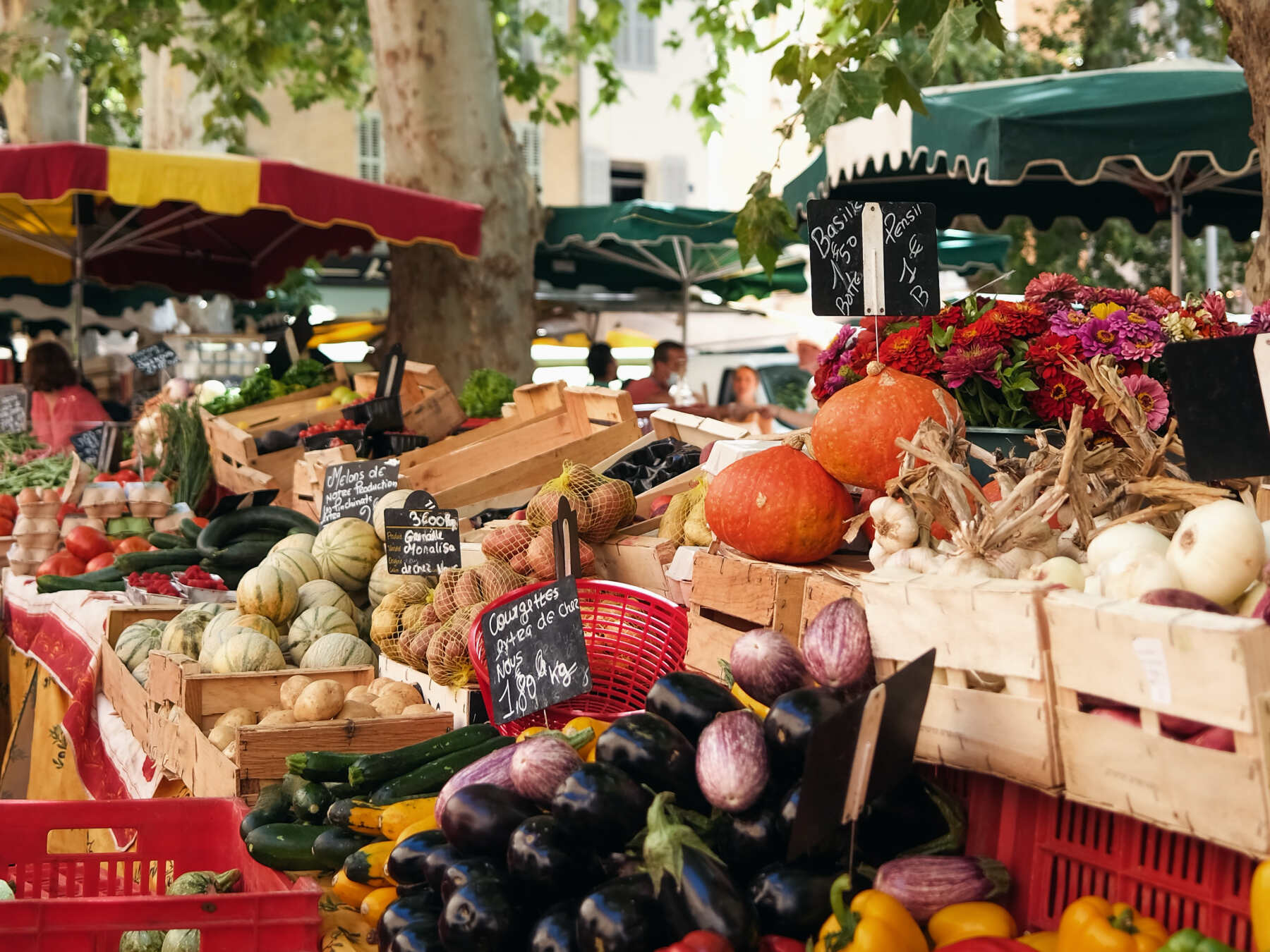
We are conveniently located near public parking, as well as public transportation stops. Or perhaps you took an Uber.
However you arrived, welcome to Vienna's largest and most famous open-air market.
We are on the edges of the city center, along the Wienzeile, and the market stretches for about 1.5 kilometers and is a popular destination for both locals and tourists.
Naschmarkt has a rich history dating back to the 16th century when milk bottles were first sold in the area. It officially became a market in the 18th century and has evolved over the centuries to become the bustling hub it is today.
The name "Naschmarkt" likely derives from the word "naschen," which means "to nibble" in German, reflecting the variety of treats available.
The market is known for its diverse range of offerings. Visitors can find an extensive selection of fresh fruits and vegetables, meats, seafood, and dairy products.
In addition to local Austrian produce, there is an array of international foods, including spices, teas, and exotic ingredients from around the world.
The market is also famous for its food stalls and small restaurants, where you can sample dishes ranging from traditional Viennese cuisine to Middle Eastern, Asian, and Mediterranean specialties.
The atmosphere at Naschmarkt is lively and colorful, with vendors calling out to passersby, the scent of fresh bread and pastries wafting through the air, and a vibrant mix of people shopping, eating, and socializing. It's a great place to explore and indulge in a variety of flavors, whether you're looking for a quick snack, a hearty meal, or unique ingredients to take home.
On Saturdays, the market hosts a popular flea market, where you can find antiques, vintage clothing, books, and various curiosities. This adds an extra layer of excitement and discovery, making it a must-visit spot for bargain hunters and collectors.
Now is a good time to grab some snacks for the journey today, fuel up, and energize yourself.
Now, let's stroll up Route 1, on our way to our next stop.
Read More
Karlsplatz, 1010 Wien, Austria
This is the Vienna Secession Building, an important symbol of Austria’s modern art movement.
Founded in 1897 by a group of artists led by Gustav Klimt, the Secession broke away from traditional academic art to promote creative freedom and innovation.
The building is famous for its golden dome, often nicknamed “the golden cabbage,” and for housing Klimt’s iconic Beethoven Frieze inside.
Today, it remains a vibrant exhibition space where Vienna’s artistic spirit continues to evolve.
And that brings me to some remarkable individuals who have left a lasting mark on this city and on the world.
Some of the greatest musicians, thinkers, and innovators in history lived and worked right here in Vienna.
One of them was Wolfgang Amadeus Mozart.
Mozart moved to Vienna in 1781 at just 25 years old, searching for better opportunities and creative freedom.
At the time, Vienna was the cultural heart of Europe, attracting musicians, artists, and intellectuals from across the continent.
Here, Mozart found both success and struggle.
He became popular among the Viennese elite and received support from influential patrons, including Emperor Joseph II.
During his years in Vienna, he composed some of his most famous works —
his last three symphonies, numbers 39, 40, and 41,
operas like The Marriage of Figaro, Don Giovanni, and The Magic Flute,
as well as many piano concertos and chamber pieces.
Sadly, Mozart’s life was cut short when he died in 1791 at only 35 years old.
Even today, the exact cause of his death remains a mystery.
We’ll talk more about another musical giant, Beethoven, later in the tour when we reach the Vienna State Opera.
But for now, let’s shift gears and think a little differently.
Ready to overanalyze something?
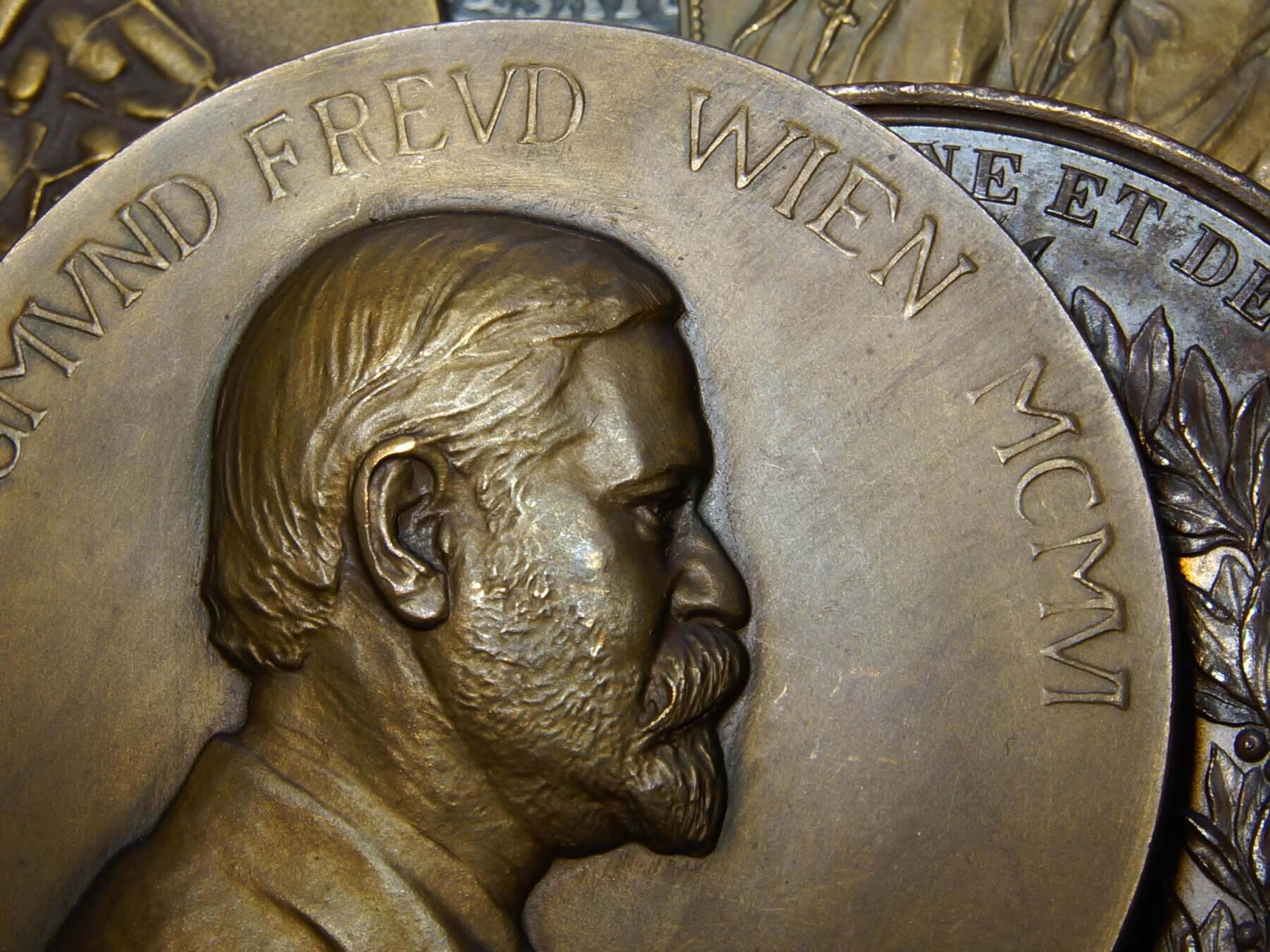
That brings us to Sigmund Freud.
Freud, the founder of psychoanalysis, spent most of his life and career in Vienna.
Born in 1856 in what is now the Czech Republic, he moved here as a young child and later studied medicine at the University of Vienna.
He began his career in neurology, treating patients with psychological disorders.
Over time, he developed groundbreaking techniques like free association, encouraging patients to speak freely to uncover hidden thoughts and emotions.
Freud’s ideas completely changed how the world understands the human mind.
But he wasn’t without his flaws.
In the late 1880s, Freud experimented with cocaine, which was legal at the time.
He even published a paper praising its effects, believing it improved energy and focus.
Eventually, he realized its dangers and stopped using it.
A lesson learned the hard way.
He was also famously devoted to cigars.
Freud reportedly smoked up to 20 a day and believed they helped him concentrate.
In fact, he once said that cigars were indispensable to his thinking process.
So as we walk through Vienna, remember,
this city didn’t just produce beautiful buildings and music.
It shaped brilliant, complex, and sometimes contradictory minds that changed the world.
And their legacy is still all around us today.
Read More
Place 1
Naschmarkt and Shopping
Place 2
Secession Building & Famous Figures
Place 3
Kunsthalle Wien
Place 4
Vienna U-Bahn System
Place 5
Vienna State Opera House
Place 6
Opernbruennen
Place 7
Albertina
Place 8
Monument Against War and Fascism
Place 9
Burggarten
Place 10
Weltmuseum
Place 11
Outer Castle Gate
Place 12
The Hofburg
Place 13
Heroe's Square
Place 14
Monument to Emperor Franz I and Spanish Horses
Place 15
Michaelerplatz
Place 16
Fiaker
Place 17
Kohlsmarkt
Place 18
Josefsbrunnen and Graben
Place 19
Memorial to Plague Victims
Place 20
St. Peter's Church
Place 21
Cuisine
Place 22
Jewish Quarter
Place 23
Holocaust Memorial
Place 24
Lessing Statue
Place 25
Old Town Hall
Place 26
Hot Dogs
Place 27
Wedding Fountain
Place 28
Anker Clock
Place 29
St. Stephen's Cathedral
Place 30
Nail in the Tree
Place 31
Blood Alley Quarter
Place 32
Mozart House
Place 33
Fürstenberg Palace
Place 34
Story Time
Place 35
Karl Lueger Square
Place 36
Stadtpark