

Charleston, West Virginia Self-Guided Driving Tour: Capitol, Culture & Downtown Gems
About this English self-guided 50m driving tour in Charleston
Welcome to Charleston, the charming capital city of West Virginia, where mountain spirit meets riverfront beauty. This is a place where the pace is easy, the history runs deep, and every bend in the road seems to reveal another story.
As we drive along the Kanawha River, you’ll discover a city that’s as proud of its past as it is hopeful about its future. Charleston began as a rugged frontier settlement back in the late 1700s, when pioneers like Daniel Boone carved out homes along these hillsides. Over time, salt, coal, and glass transformed this valley into a center of industry — and with that prosperity came grand architecture, art, and culture that still define the city today.
Along the way, we’ll pass the gold-domed State Capitol, elegant historic mansions, and lively spots like the Capitol Market and Slack Plaza, where locals gather to eat, shop, and catch up. You’ll also see the Craik-Patton House, the Holly Grove Mansion, and the Basilica of the Sacred Heart — each with its own fascinating place in Charleston’s story.
But this isn’t just a tour of buildings and monuments — it’s a journey through the heart of West Virginia, a place of resilience, creativity, and community. Whether you’re here for a quick visit or an extended stay, this drive will give you a glimpse of what makes Charleston special: friendly faces, deep roots, and views that never get old.
So buckle up and get ready to explore Charleston’s Wild and Wonderful side — a city that proves you don’t have to be big to have a big heart.
- 1For the best experience, begin at the tour's recommended starting point and follow the stops in order.
- 2Want to start somewhere else? Simply use Start At on the tour screen, before tapping Start Tour, to begin from any stop.
- 3Need to detour or skip a stop along the way? Tap Tour Assistant (
![UCPlaces AI Bot Icon]() ) to use Force Play, Skip, and Back, for full flexibility.
 ) to use Force Play, Skip, and Back, for full flexibility.
Route Preview
- Category
- Language
- Mode
- Region
- Country
- City

Places (POIs) visited during this tour

Daniel Boone Park, 2901 Kanawha Blvd E, Charleston, WV 25311, USA
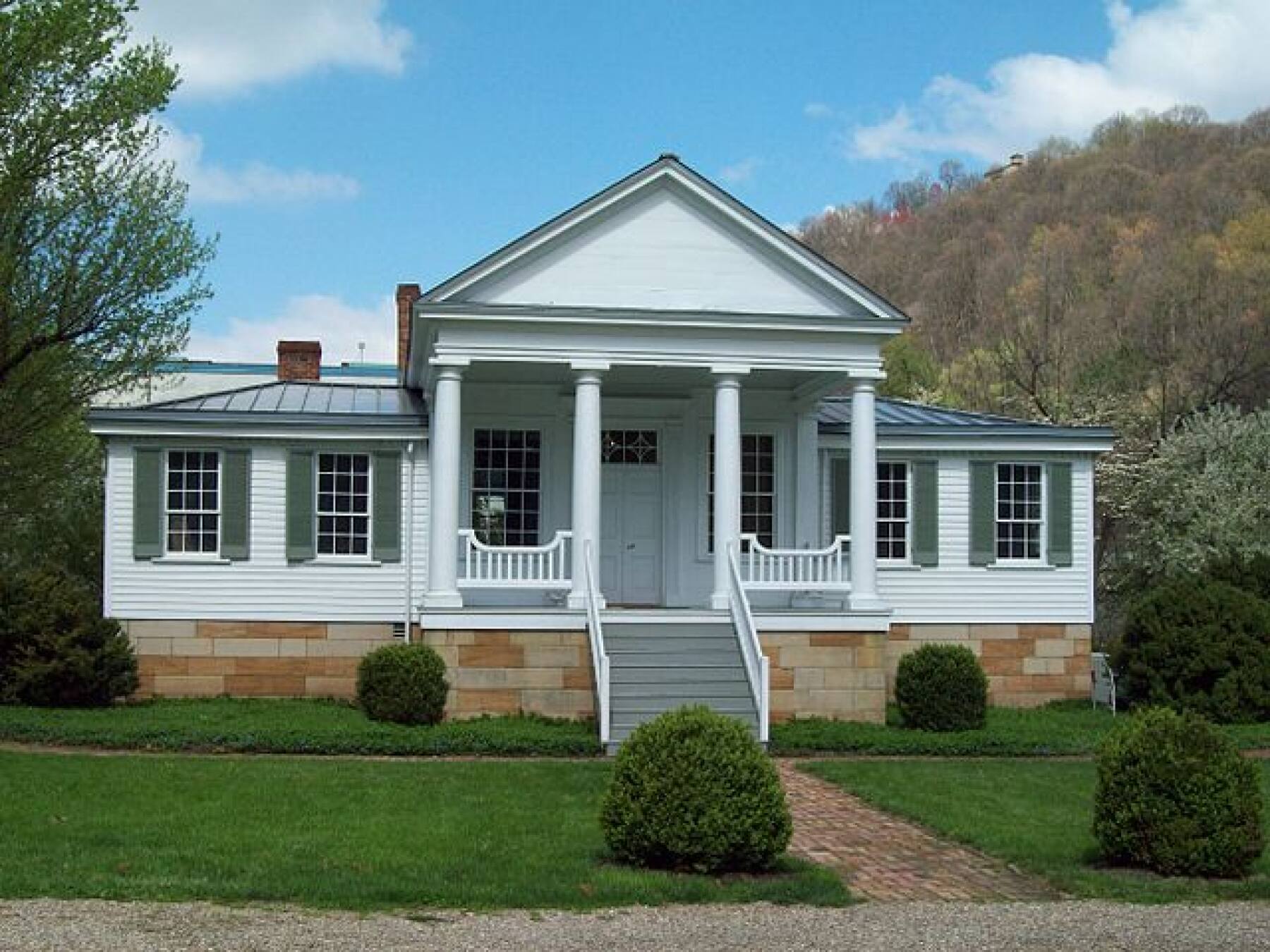
Just up ahead, also on your left, is the Craik-Patton House, one of Charleston’s finest historic treasures. This elegant Greek Revival home was built in 1834 and has quite a story. It was once the residence of James Craik, whose grandfather was George Washington’s personal physician, and later owned by George S. Patton — the grandfather of World War II’s famous General Patton. The house was actually moved here piece by piece in the 1970s to save it from demolition, and today it’s beautifully restored with period furnishings that show what life was like for Charleston’s early elite.
1652-1630 Kanawha Blvd E, Charleston, WV 25305, USA

The Capitol was designed by the legendary architect Cass Gilbert, who also designed the U.S. Supreme Court building. Construction stretched through the Roaring Twenties and into the Great Depression, finally wrapping up in 1932. Step inside, and you’ll find gleaming marble from around the world, grand staircases, and a two-ton crystal chandelier hanging beneath that dome — all meant to remind visitors that this little mountain state has big pride.
Just next door — and also on your right — is the elegant Governor’s Mansion, home to West Virginia’s governors and their families since 1925. It was designed in the Colonial Revival style to complement the Capitol’s grandeur, with red brick, white columns, and a stately front lawn that looks straight out of a storybook. Inside are crystal chandeliers, antique furniture, and even a ballroom that hosts state dinners and holiday celebrations.
Every Christmas season, the mansion glows with lights and decorations from all 55 counties of West Virginia, each sending ornaments that represent their unique heritage — from coal mining and glassblowing to fiddle festivals and mountain crafts.
Together, the Capitol and the Governor’s Mansion form the symbolic heart of West Virginia — where government, history, and hospitality all meet on the banks of the Kanawha River. As you drive by, take one last look at that golden dome shining in the sun — it’s Charleston’s way of reminding you that even in the hills, there’s a touch of grandeur.
Read More
Place 1
Daniel Boone Park and Craik-Patton House
Place 2
West Virginia State Capitol and Governor’s Mansion
Place 3
Holly Grove Mansion
Place 4
West Virginia State Museum
Place 5
Ruffner Memorial Presbyterian Church
Place 6
Ruffner Memorial Park and the Thomas Bullitt Cenotaph
Place 7
The Ruffner
Place 8
Charleston Area Medical Center (CAMC)
Place 9
Clay Center for the Arts and Sciences
Place 10
Basilica of the Co-Cathedral of the Sacred Heart
Place 11
Capitol Market
Place 12
Slack Plaza and the Charleston Transit Mall
Place 13
South Side Bridge and the Kanawha River
Place 14
Sunrise (MacCorkle Mansion)
Place 15
Charleston Overlook
Place 16
Farewell — Charleston’s Riverfront View