

London's Best: Self-Guided GPS Audio Walking Tour, England - Central City Landmarks & Historic Sites
About this English self-guided 3h:20m walking tour in London
Hello and welcome to this UCPlaces tour of London, England. My name is Dave, and it will be my pleasure acting as your co-pilot today as we check out the main sites and historical landmarks that you’ve probably heard of, but have never seen in person. Look kids, Big Ben, Parliament! Any fans of the American movie National Lampoons European Vacation? Well that was a quote from the movie.
Starting at the majestic Big Ben, the clock tower that has long been a symbol of British heritage, we will stroll past Westminster Abbey, a site steeped in royal history and architectural grandeur. From there, we'll walk towards Buckingham Palace, the official residence of the monarch, where you might catch a glimpse of the Changing of the Guard.
Our route continues to St. Paul’s Cathedral, an awe-inspiring masterpiece of Baroque architecture and a testament to London’s resilience. Finally, we’ll conclude at Tower Bridge, a Victorian engineering marvel that offers breathtaking views of the Thames. Along the way, you'll hear tales of London’s history, its royal legacy, and its enduring charm. Lace up your walking shoes and let’s explore!
Today’s tour will take us around 2 hours and span around 3 and half miles. We will take some restroom breaks, and make refreshment stops. And, here, we, go.
- 1For the best experience, begin at the tour's recommended starting point and follow the stops in order.
- 2Want to start somewhere else? Simply use Start At on the tour screen, before tapping Start Tour, to begin from any stop.
- 3Need to detour or skip a stop along the way? Tap Tour Assistant (
![UCPlaces AI Bot Icon]() ) to use Force Play, Skip, and Back, for full flexibility.
 ) to use Force Play, Skip, and Back, for full flexibility.
Route Preview
- Category
- Language
- Mode
- Region
- Country
- City

Places (POIs) visited during this tour

67 A302, London SW1A 2PW, UK
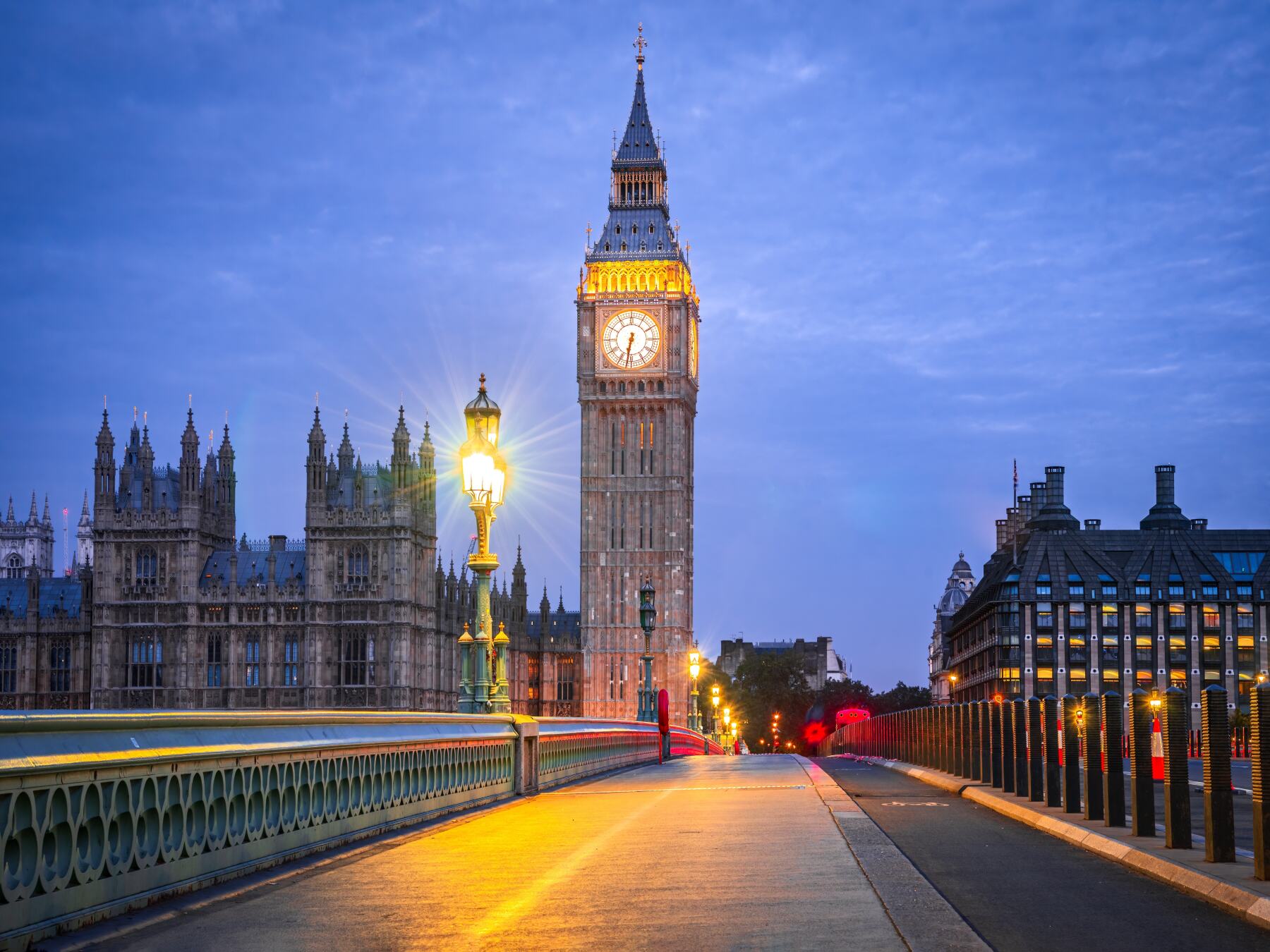
Ok, now turn around. Westminster Bridge is one of London’s most famous and historic river crossings, connecting the north and south banks of the River Thames, near some of the city’s most iconic landmarks. The bridge provides a scenic route between the Palace of Westminster and Big Ben on the north side and the vibrant South Bank, home to attractions like the London Eye, on the south side.
The bridge is painted in green, reflecting the color of the benches in the House of Commons, as opposed to the red benches of the House of Lords, symbolized by the neighboring Lambeth Bridge. Featuring seven elegant iron arches, Westminster Bridge is a fine example of Victorian engineering, blending functionality with aesthetic appeal.
No face forward, and tilt your heads upwards. Yup, that’s Big Ben. Officially known as the Elizabeth Tower, it is part of the Palace of Westminster, home to the UK Parliament. The name "Big Ben" originally referred to the great bell inside the tower, but over time, it has come to symbolize the entire structure.
The tower was completed in 1859 and was designed by architect Charles Barry in collaboration with Augustus Pugin, as part of the Gothic Revival style renovation of the Palace of Westminster after a devastating fire in 1834. It stands approximately 316 feet (96 meters) tall and houses a clock renowned for its precision and grandeur.
Big Ben’s great bell chimes the hours, with its distinctive sound heard far and wide. The clock mechanism itself is a feat of Victorian engineering, and its four clock faces are illuminated at night, making it a striking sight against the London skyline.
In 2012, the tower was renamed the Elizabeth Tower in honor of Queen Elizabeth II’s Diamond Jubilee, celebrating her 60 years on the throne. After extensive renovations, completed in 2022, Big Ben has been restored to its original splendor, ensuring it remains a beloved symbol of London for generations to come.
The Palace of Westminster, commonly known as the Houses of Parliament, is a stunning Gothic Revival structure and is the home of the United Kingdom’s Parliament, comprising the House of Commons and the House of Lords. The site has been central to British governance for over 1,000 years, originally serving as a royal residence in the Middle Ages. The current building was constructed following the devastating fire of 1834, which destroyed much of the original palace.
Key features of the palace other than Big Ben, are the Victoria Tower, and the Central Lobby, a grand meeting point for members of Parliament. The House of Commons and House of Lords chambers are the heart of British democracy, where debates and legislative processes shape the nation’s future.
Read More
1 Horse Guards Rd, London SW1A 2HQ, UK
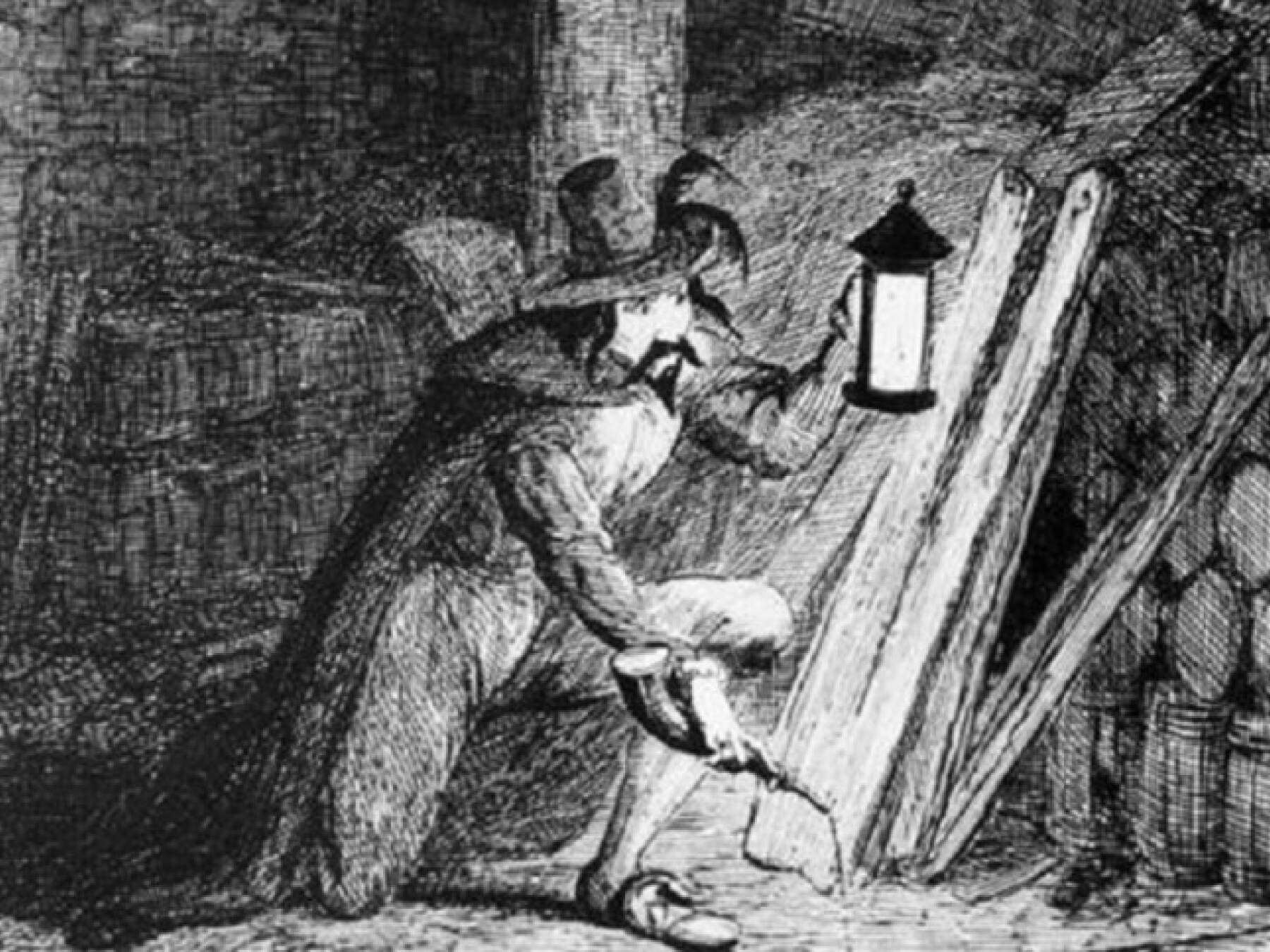
The plot was masterminded by Robert Catesby, a Catholic gentleman who was frustrated with the harsh treatment of Catholics under King James I, who had not fulfilled his promise to grant religious tolerance. Along with Catesby, the conspirators included several other men, the most famous of whom is Guy Fawkes, a former soldier and explosives expert. The plan involved placing 36 barrels of gunpowder in a cellar beneath the House of Lords, intending to detonate them when the King, his family, and many members of Parliament were present during the State Opening.
The plot was foiled due to a last-minute tip-off. On the night of November 4, 1605, authorities searched the Parliament building and found Fawkes guarding the explosives. He was arrested and tortured, and he eventually gave up the names of his co-conspirators. They were quickly hunted down, and many were either killed in the ensuing battles or executed.
The failure of the Gunpowder Plot led to severe anti-Catholic sentiment in England, and the event was commemorated annually with bonfires and fireworks to celebrate the King’s survival. This tradition eventually became Guy Fawkes Night, a popular event in British culture. Fawkes, the most notorious of the plotters, became the symbol of the conspiracy, and his face is often seen on effigies burned on bonfires during the celebrations.
Despite the historical significance of the Gunpowder Plot, its failure reaffirmed the Protestant establishment in England, and its legacy continues to shape British national identity and memory.
Continue on as Bridge street becomes Great George Street.
Read More
Place 1
Big Ben and Parliament
Place 2
Gunpowder Plot of 1605
Place 3
Pubs
Place 4
Cockpit Steps
Place 5
St. James's Park
Place 6
Spur Road
Place 7
Queen Victoria Memorial
Place 8
Buckingham Palace
Place 9
Canada Gate
Place 10
Green Park
Place 11
The Mall and St. James Palace
Place 12
Fable
Place 13
Horse Guards Memorial
Place 14
Horse Guards Parade
Place 15
Admiralty Arch
Place 16
Trafalgar Square
Place 17
National Gallery
Place 18
Architecture
Place 19
Portland Stone
Place 20
Strand
Place 21
West End Theatre District
Place 22
"Houses"
Place 23
Royal Courts of Justice
Place 24
Sweeney Todd and The Old Bank
Place 25
Knights of Templar and Temple Church
Place 26
Fleet Street
Place 27
Tube
Place 28
Food Court and Dining
Place 29
St. Paul's Cathedral
Place 30
Churchyard
Place 31
Story Time
Place 32
Church of St. Mary-le-Bow
Place 33
St. Lawrence Jewry
Place 34
Guildhall
Place 35
A Dickens Tale
Place 36
The Royal Exchange and Bank of England
Place 37
Peabody Statue and Dining
Place 38
St. Michael's Alley and First Coffee House
Place 39
George and Vulture
Place 40
Directions
Place 41
Leadenhall Market
Place 42
Leadenhall Market
Place 43
Urban Legends
Place 44
Sky Garden
Place 45
Great Fire of London
Place 46
Monument to the Great Fire of London
Place 47
Thames
Place 48
The Shard
Place 49
StoryTime
Place 50
Tower Bridge
Place 51
Tower
Place 52
Tower of London