

Larnaca Self-Guided (GPS) Audio Walking Tour, Cyprus - History & Culture, From ruins of Kition to Finikoudes promenade
About this English self-guided 1h:30m walking tour in Larnaca
Welcome to Larnaca, a charming coastal city on the southern shores of Cyprus, where the ancient meets the modern in the most delightful way!
Whether you're strolling along its sun-soaked beaches, diving into its fascinating history, or enjoying the local food and hospitality, Larnaca has a way of making you feel right at home.
Imagine starting your day with a walk along the famous Finikoudes promenade, lined with swaying palm trees and vibrant cafes, or perhaps exploring the mysterious ruins of Kition, an ancient city that dates back thousands of years. This city has seen it all—from ancient civilizations to medieval knights—and you can feel that history everywhere you go.
But it’s not just about the past here! Larnaca’s relaxed atmosphere and friendly locals make it the perfect spot to unwind. Whether you’re catching a sunset at the beach or grabbing a coffee in one of its cozy, local shops, you’ll find yourself falling in love with its laid-back vibe.
And let's not forget the Larnaca Salt Lake, where you can catch a glimpse of pink flamingos in the winter—a magical experience for nature lovers!
From stunning beaches and historic landmarks to lively nightlife and warm-hearted locals, Larnaca invites you to experience its beauty in your own way. It’s the kind of place that leaves a mark on your heart, long after you’ve left its shores.
Come explore, and let Larnaca's magic sweep you away!
- 1For the best experience, begin at the tour's recommended starting point and follow the stops in order.
- 2Want to start somewhere else? Simply use Start At on the tour screen, before tapping Start Tour, to begin from any stop.
- 3Need to detour or skip a stop along the way? Tap Tour Assistant (
![UCPlaces AI Bot Icon]() ) to use Force Play, Skip, and Back, for full flexibility.
 ) to use Force Play, Skip, and Back, for full flexibility.
Route Preview
- Category
- Language
- Mode
- Region
- Country
- City

Places (POIs) visited during this tour

WJFF+365, Chamit Mpei, Larnaca 6050, Cyprus
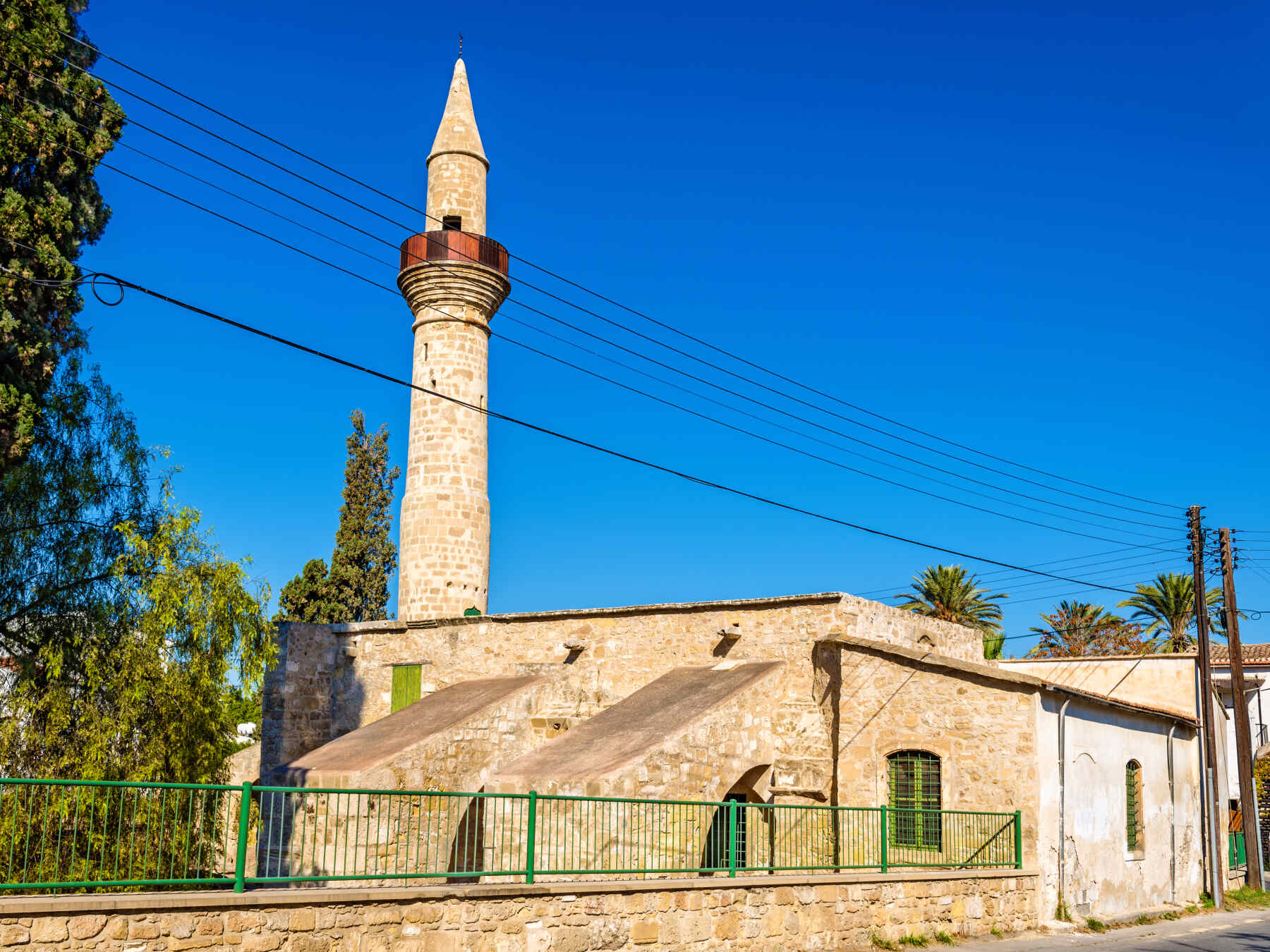
The Touzla Hamam is one of the surviving Ottoman-era buildings in Larnaca and a notable example of traditional hammam architecture. These bathhouses were not just for bathing but served as social centers where people gathered to relax, socialize, and discuss community matters. The structure is typically characterized by its domed roof, thick stone walls, and intricately designed interiors, meant to retain heat for the hammam's purpose.
The bathhouse would have been divided into various sections, such as the hot room (where the steam was most intense), the warm room (for massages and relaxation), and the cool room (for resting after the bath). While the bath is no longer operational, it stands as a reminder of Larnaca's multicultural history and the influence of the Ottoman Empire on the island.
The Tuzla mosque is also a remnant of the Ottoman period, when Cyprus was under Ottoman rule from 1571 until the late 19th century. The mosque served the local Muslim population, who lived in the area during that time. The Tuzla Mosque follows the typical Ottoman architectural style, characterized by simple, functional design elements such as a rectangular prayer hall, a minaret, and arched windows. After Cyprus transitioned to British rule in 1878 and later independence, the demographic shifts and changes in the island’s population meant that many Ottoman-era mosques, including the Tuzla Mosque, saw a decline in regular use. Over time, some were abandoned, while others were preserved as historical monuments.
Read More
WJFG+428, Petraki Kyprianou, Larnaca 6050, Cyprus
Larnaca was originally known as Kition (or Citium), an important city-kingdom in ancient Cyprus. The area was first settled by the Mycenaeans in the 13th century BC. According to legend, Kition was founded by Kittim, a grandson of Noah. Archaeological evidence shows that Kition was a significant Bronze Age city with strong trade connections to the Aegean, Egypt, and the Near East. The city was known for its impressive temples and fortifications.
By the 9th century BC, Kition became a major Phoenician settlement. The Phoenicians built grand temples to worship their gods, and the city developed into a powerful trading hub, particularly known for its copper exports. It maintained strong ties with other Phoenician cities, such as Tyre and Sidon, and was an influential player in Mediterranean trade routes.
When Cyprus was ceded to the British Empire in 1878, Larnaca’s significance as a port town began to decline, as the British developed Limassol and Famagusta as the island’s main commercial hubs. However, Larnaca remained important as a gateway to the island. Many of its historical buildings, including Larnaca Castle, were repurposed by the British.
During this period, Larnaca evolved into a more modern town, while still maintaining its cultural diversity. The city's population continued to grow, and modern infrastructure, such as schools, roads, and utilities, was introduced under British administration.
Cyprus gained independence from Britain in 1960, and Larnaca became part of the newly formed Republic of Cyprus. After the Turkish invasion of Cyprus in 1974, which resulted in the division of the island, Larnaca experienced an influx of refugees from the north. This significantly increased its population and development.
Today, Larnaca is known for its beautiful beaches, historical landmarks, and vibrant local culture. It has grown into a lively tourist destination while retaining much of its historical charm, blending ancient ruins, Byzantine churches, and Ottoman influences with modern life.
Read More
Place 1
Touzla Hamam & Tuzla Mosque
Place 2
Larnaca History
Place 3
St Mary of Graces Catholic Church
Place 4
Larnaca Salt Lake
Place 5
Archaeological Site of Kition
Place 6
Hala Sultan Tekke
Place 7
Archaeological Museum of Larnaka District
Place 8
Saint Joseph Maronite Church
Place 9
Edesma Cyprus Taverna
Place 10
Pierides Museum
Place 11
EOKA Monument
Place 12
Zeno of Citium Monument
Place 13
Europe Square
Place 14
Larnaca Municipal Art Gallery
Place 15
Larnaka Historic Archives Museum
Place 16
Municipal Amphitheater & The Bust of General Kimon
Place 17
Shopping
Place 18
Kyriazis Medical Museum
Place 19
Street Art
Place 20
Holy Church of Saint Lazarus
Place 21
Zouhouri Square & Mosque
Place 22
Venetian Winged Lion
Place 23
Larnaca Castle